

Hybrid events have become a practical choice for many organisations in Singapore because they bring together two audiences at once, the people in the room and the people joining remotely. That sounds simple on paper, but anyone who has tried to run a live programme across a ballroom, a boardroom, and a streaming platform at the same time knows that the technical demands are far from simple. Audio delays, unstable network connections, camera switching errors, and mismatched presentation formats can quickly affect how professional an event feels. For Singapore businesses, associations, hospitals, schools, and government-linked organisations that rely on clear communication, these issues do not just create inconvenience. They can weaken audience trust, reduce engagement, and disrupt the message you worked hard to prepare.
This is where a dedicated stream engineer becomes essential. A stream engineer is the technical specialist responsible for managing the live signal flow of a hybrid or online broadcast, from capturing audio and video correctly to ensuring the stream reaches the intended platform with stable quality. In a hybrid setting, this role sits at the centre of the production chain. It is not the same as a general AV operator who simply connects equipment, and it is not the same as a content producer who focuses on slides and scripts. A stream engineer protects the integrity of the live transmission, monitors quality in real time, and responds immediately when problems arise. For hybrid success, that technical attention is often what separates a smooth event from a stressful one.
What a dedicated stream engineer actually does
A stream engineer oversees the live technical path between your venue and your online audience. That includes audio routing, video encoding, platform configuration, signal testing, redundancy planning, and live monitoring. In plain language, the stream engineer makes sure what happens on stage is captured accurately, processed properly, and delivered reliably to viewers wherever they are joining from.
In Singapore, hybrid productions often involve multiple moving parts. A keynote may happen in a hotel ballroom in Marina Bay, while a remote panellist joins from a home office in Tampines, and the audience may include participants watching from office desktops, mobile phones, or tablets. Different devices and connection speeds can reveal technical weaknesses very quickly. A dedicated stream engineer understands these conditions and configures the workflow so that the output remains stable across platforms.
Signal flow, encoding, and platform delivery
Signal flow refers to the path that audio and video follow from source to audience. Sources may include microphones, cameras, laptops, playback devices, and remote guest inputs. The stream engineer ensures these signals are captured cleanly, mixed correctly, and routed into a live encoding system. Encoding means converting the audio and video into a digital format suitable for streaming on platforms such as Zoom, Microsoft Teams, Vimeo, YouTube, or a custom event portal.
When encoding is handled properly, the audience sees a consistent image and hears clear sound with minimal delay or distortion. When it is not, the problems are obvious. Speech may desynchronise from video, slides may appear blurry, or the stream may drop frames during high-motion content. A dedicated engineer monitors these issues as they happen and makes technical adjustments before the audience starts to lose confidence in the event.
Audio quality is often the real make-or-break factor
Many organisers focus heavily on visuals, but in live production, poor audio is usually more damaging than average video quality. People may tolerate a slightly soft image, but they quickly disengage if they cannot hear the speaker clearly. A stream engineer manages microphone gain, background noise, echo control, and the balance between stage audio and remote contributions. Gain is the level of signal sent into the system, and if it is too low the audio sounds weak, while if it is too high it can distort.
This is especially relevant in Singapore venues where hybrid events may happen in hotel rooms, function halls, co-working spaces, or company meeting rooms with challenging acoustics. Hard surfaces, glass walls, and open layouts can create echo or reverberation. A dedicated stream engineer knows how to work with those conditions, choosing microphone types and mixing approaches that support clarity rather than fighting the room.
Why hybrid events need more than general AV support
General audiovisual support is valuable, but hybrid events require a different level of live technical coordination. In a conventional in-person event, the audience is physically present and can often still follow the programme even if a camera angle is not perfect. In a hybrid format, the online audience depends entirely on the stream. If the stream fails, they have no backup view of the stage, and the event experience collapses for that segment of the audience.
That is why a dedicated stream engineer is not a luxury role. It is a control function. The engineer focuses on what the audience sees and hears on the digital side, while other production crew members handle stage management, speaker support, or venue logistics. When one person tries to manage all of those responsibilities at once, the risk of missed cues and technical blind spots rises significantly.
Managing the complexity of multiple audience types
Hybrid audiences do not consume content in the same way. In-room attendees can read body language, hear ambient sound, and stay engaged through the energy of the venue. Remote attendees rely on clean framing, on-screen graphics, captions if provided, and a stable stream. A stream engineer helps bridge that gap by ensuring the technical output is adapted for the online environment, not just mirrored from the stage.
For example, a panel discussion may need split-screen composition so that remote viewers can follow the speakers more easily. A product launch may need seamless transitions between live camera feeds, recorded clips, and slide content. A town hall may require instant switching between presenters and Q&A sources. These are not casual tasks. They require someone who understands live switching logic, latency, and audience experience from the perspective of the broadcast feed.
Reducing avoidable failure points
Hybrid events involve many points where something can go wrong. A laptop may output the wrong resolution. A presentation may use a different aspect ratio from the stream layout. A wireless microphone may interfere with another device. A remote guest may join with the wrong audio settings. A dedicated stream engineer identifies these risks during rehearsal, not during the live session.
This preventive approach matters in Singapore because many events operate on tight schedules. Conference rooms may be booked back-to-back, speakers may arrive just before their session, and international participants may be joining across time zones. There may be little room for extended troubleshooting on the day itself. A stream engineer who has tested the full workflow in advance can shorten recovery time when issues do occur.
The Singapore context makes technical reliability even more important
Singapore has a highly connected business environment, but high connectivity does not eliminate production risk. Hybrid events here often serve regional headquarters, investor briefings, medical education sessions, professional associations, and public sector communications. These are settings where audience confidence matters. If a stream looks disorganised or sounds unstable, the event may appear less credible, even when the content itself is strong.
Local organisers also frequently work with multinational audiences. That can mean speakers joining from different countries, viewers connecting on different platforms, and varying expectations around event professionalism. A dedicated stream engineer helps ensure the technical standard stays consistent regardless of where the participants are located. This consistency supports brand trust, which is especially important for organisations that communicate with clients, employees, partners, or the public.
Venue variation across Singapore
Singapore venues range from large convention centres to boutique hotels, campus auditoriums, corporate training rooms, and community spaces. Each setting has its own technical profile. Some venues offer strong built-in AV systems, while others may require extra configuration for streaming workflows. Ceiling height, room shape, lighting temperature, and internet access can all affect the quality of the live output.
A stream engineer evaluates these conditions before the event and adjusts accordingly. That may include specifying external capture hardware, planning alternative network access, setting up bonded or backup internet paths, or choosing a production layout that works within the room. This kind of preparation is not about overengineering the event. It is about making sure the format you choose can actually be delivered well in the venue you have booked.
Working with local compliance and organisational standards
While stream engineering is a technical role, it also supports organisational responsibility. In Singapore, many events must align with internal governance, data handling expectations, and speaker confidentiality requirements. A live stream may include confidential business information, patient education content, internal staff briefings, or policy discussions. The stream engineer must work within the production plan to minimise unauthorised access risks and maintain the intended audience reach.
This is one reason detailed rehearsal and access planning matter. Not every event should be streamed publicly, and not every platform suits every purpose. A dedicated engineer can work with the organiser to choose a technical setup that fits the required audience scope, whether that is open public access, private registration, password-protected viewing, or a restricted internal broadcast.
What professional stream engineering adds to audience experience
Audience experience in hybrid events is shaped by technical quality as much as by the speaker’s content. When the stream is stable, the sound is clear, and the transitions feel natural, the audience can focus on the message. When the technical layer is distracting, people spend more energy noticing problems than absorbing information. That is a direct loss for any organiser trying to educate, persuade, or connect with an audience.
A dedicated stream engineer improves this experience in several ways. The stream stays live with fewer interruptions. The framing remains visually consistent. Slides, videos, and speaker changes appear smoothly. Audio remains intelligible across different listening environments. These details are not cosmetic. They shape whether a viewer stays engaged until the end of the programme.
Better support for speakers and facilitators
Speakers often perform better when they know the technical environment is under control. They can focus on delivery rather than worrying about whether their microphone is working or whether the slide deck will display correctly. Facilitators can manage the programme more confidently when they have a technical partner monitoring the stream and ready to troubleshoot in real time.
This matters in Singapore workplaces where event time is valuable and speakers may be senior leaders, external experts, or international guests. A dedicated stream engineer supports the professionalism of the entire production, not just the technical layer. That is particularly helpful during large internal meetings, product launches, training sessions, and town halls where clear communication has practical business value.
Faster response when problems occur
No live event is completely risk-free. Equipment can fail, connections can fluctuate, and human error can happen. The difference is how quickly the team can identify and correct the issue. A stream engineer watches the output continuously, listens for audio problems, checks platform health, and acts before a small issue turns into a visible disruption.
This real-time response is a key reason dedicated stream support is so valuable. Without it, the team may only notice a problem after the audience has already experienced it. By then, the damage to the event flow is harder to undo. Stream engineering is not about pretending problems never happen. It is about reducing the impact when they do.
How to work effectively with a stream engineer
Hiring a dedicated stream engineer is only part of the process. To get the best result, organisers need to involve the engineer early. The technical plan should start at the event planning stage, not on the morning of the session. The agenda, speaker list, content formats, platform choice, and venue layout all affect the streaming setup.
Early planning also helps align expectations. If you know the event includes remote speakers, pre-recorded content, Q&A, or breakout elements, the engineer can prepare the routing and switching strategy in advance. If the event must include captions, recording, or simultaneous distribution to multiple platforms, those requirements should be discussed early so the workflow is realistic.
Questions organisers should ask
- What platform will the stream use, and is it suitable for the audience type?
- How will audio from in-room speakers and remote participants be balanced?
- What is the backup plan if the primary internet connection fails?
- Will the event be recorded, and where will the recording be stored?
- Do any speakers need pre-event technical checks or equipment support?
- How will slides, videos, and live camera feeds be coordinated?
These questions help organisers plan a more reliable hybrid experience. They also make it easier for the production team to identify risks and allocate responsibilities properly. In many cases, a short planning session with the engineer can prevent problems that would be difficult to fix later.
When to consider specialist support
Dedicated stream engineering becomes especially important when the event has one or more of the following features: a high-stakes audience, multiple speakers, remote presenters, simultaneous translation, complex visuals, confidential content, or limited rehearsal time. These are common in Singapore’s corporate and institutional event environment. If the event will be remembered for its message, policy importance, or brand impact, the technical delivery should be treated with the same seriousness.
For general awareness, it is useful to remember that stream engineering is a technical production discipline, not a medical or clinical service. The right level of support depends on the complexity of the event and the consequences of failure. For organisers, this means matching the production plan to the real demands of the programme, rather than assuming basic AV support will cover every hybrid requirement.
Hybrid events can be highly effective when the technical foundation is strong. A dedicated stream engineer gives that foundation structure, monitoring, and resilience. In Singapore, where audiences expect professionalism and event schedules are tight, this role often makes the difference between an event that merely happens and one that communicates clearly, confidently, and credibly. If your next programme needs to reach both the room and the screen, build the stream engineering role into the plan from the beginning. The quality of the live experience will reflect that decision immediately.
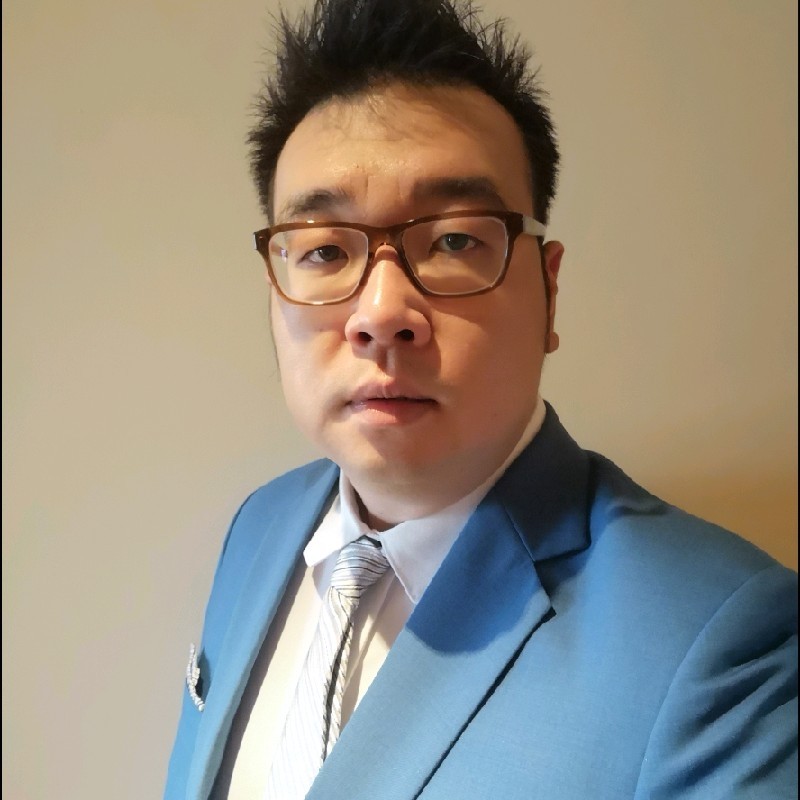
Jeremy Lee is a seasoned digital marketing director and strategist with over two decades of experience in the industry. As the founder of Sotavento Medios, I manage a diverse portfolio of over 50 businesses, helping brands grow through advanced search strategies and digital innovation. My work focuses on bridging the gap between traditional search engine optimisation and the evolving world of AI-driven answer engines.
get in touch