
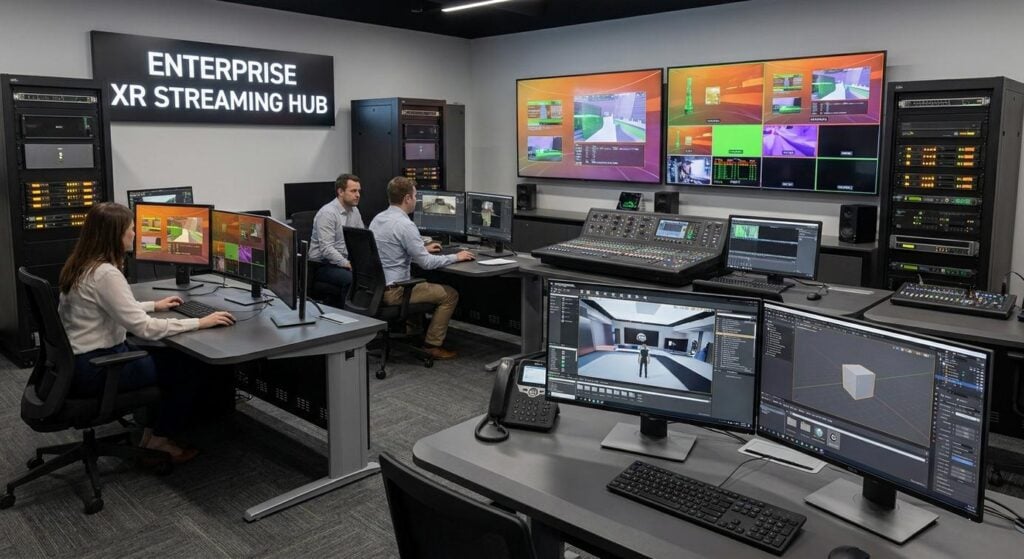
Introduction to Low-Latency Rendering in XR
In the rapidly evolving domain of Extended Reality (XR), encompassing Augmented Reality (AR), Virtual Reality (VR), and Mixed Reality (MR), the demand for seamless interaction is paramount. As enterprises progressively adopt XR for training, events, and collaboration, the need for low-latency rendering becomes crucial, integrating deeply with B2B event streaming and hybrid production challenges. Understanding and implementing low-latency technologies can significantly impact user experience and engagement during professional XR events.
Technical Aspects of Low-Latency Rendering
Streaming Protocols and Encoding Standards
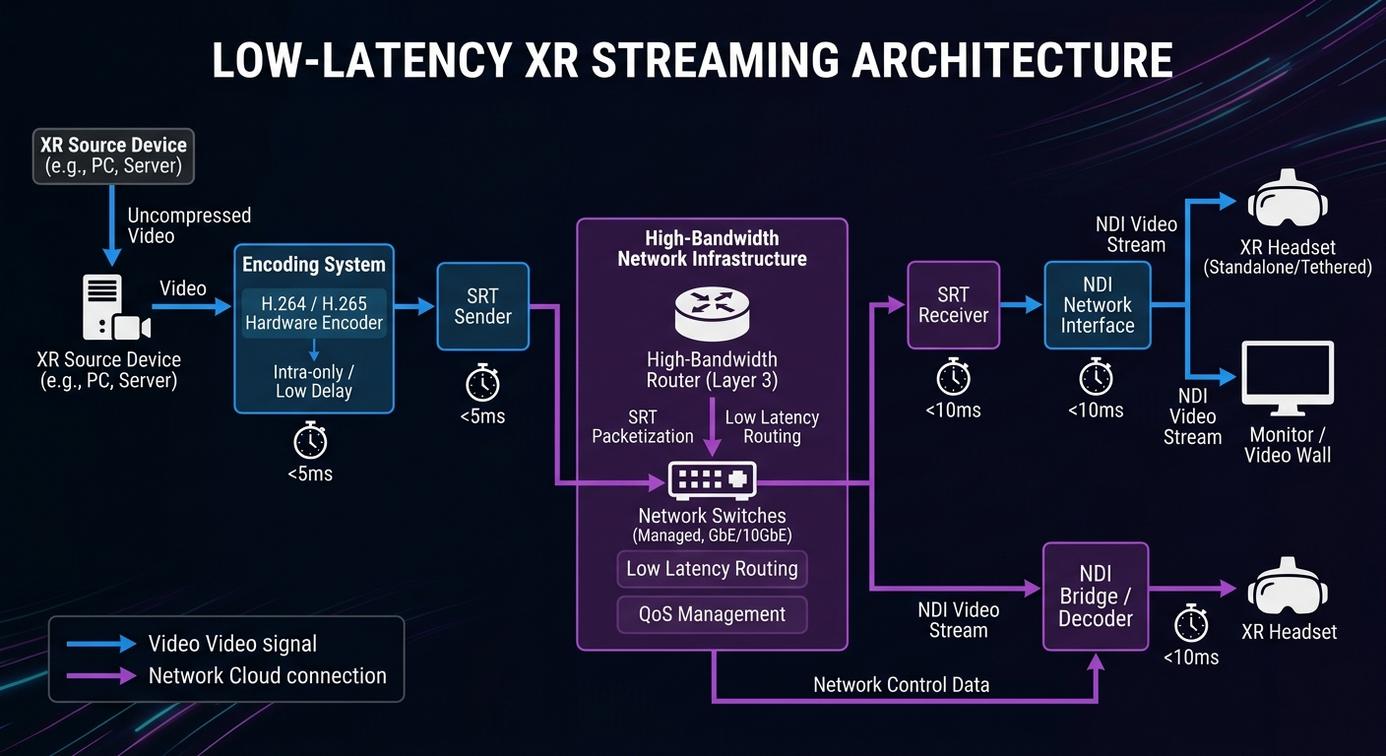
In XR environments, swift data transmission is vital. Secure Reliable Transport (SRT) and Real-Time Messaging Protocol (RTMP) are two protocols that reduce latency in streaming. Both protocols employ advanced encoding standards such as H.264 and H.265, which are essential for maintaining high-quality visuals at reduced bandwidth.
Network Infrastructure Requirements
For low-latency rendering, robust network infrastructure is necessary. Enterprises must consider high-bandwidth connections capable of supporting 4K/UHD resolutions. New-age XR setups often utilize NDI (Network Device Interface), allowing for low-latency, high-quality video over IP networks, mitigating traditional cabling constraints.
Implementing Cloud-Based vs On-Premise Solutions
Choosing between cloud-based and on-premise solutions hinges on several factors. Cloud platforms offer scalability and integration with enterprise platforms such as Microsoft Teams and Zoom, crucial for hybrid events. On-premise setups, meanwhile, provide higher control over latency and data security but may require significant capital investments.
Latency Optimization Techniques
Optimization techniques are critical in minimizing delays. This involves utilizing efficient video switching systems and signal flow architectures capable of handling multiview monitoring, ISO recording, and color grading without introducing bottlenecks.
Scalability and Quality of Service
Enterprises must plan for scalability in their XR production setups to accommodate large audiences. Implementing redundancy and failover strategies ensures uninterrupted service even during network hiccups. This involves deploying enterprise-grade servers equipped with high-performance GPUs for real-time rendering.
Real-World Application in Corporate Events
Low-latency XR rendering technologies have been successfully adopted in corporate training workshops and virtual product launches, enhancing interactive storytelling. Real-life applications demonstrate substantial reduction in motion-to-photon latency, thus improving user immersion and interaction in professional settings.
Technical Insights and Recommendations
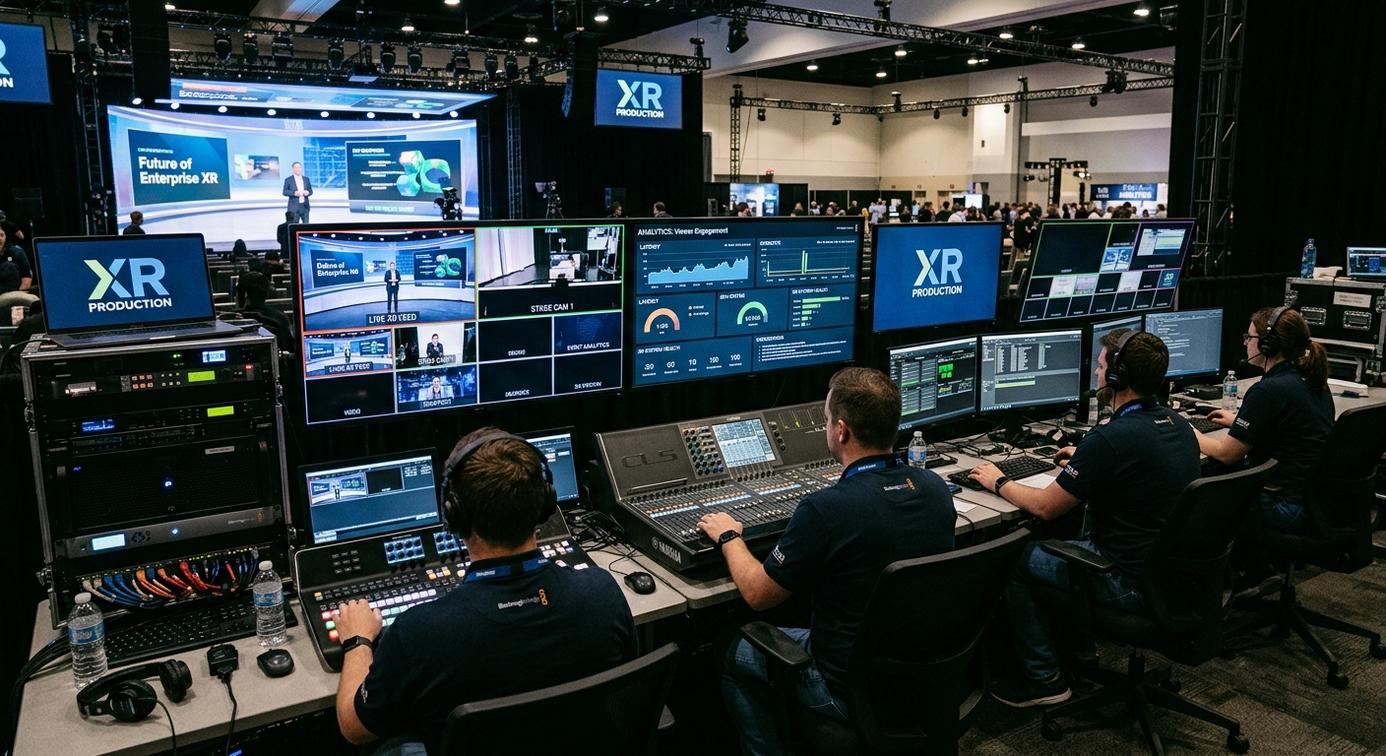
For seamless XR experiences, integrate professional-grade equipment like SDI/HDMI switchers, audio mixing consoles, and talkback systems for clear communication among production teams. Maintaining optimal bitrate and understanding network topologies are essential for flawless streaming.
To conclude, the role of low-latency rendering in interactive XR experiences cannot be overstated. With the right technological investments and smart integration of existing enterprise systems, companies can drive impactful XR engagements, keeping pace with the demands of modern digital transformation.

Jeremy Lee is a seasoned digital marketing director and strategist with over two decades of experience in the industry. As the founder of Sotavento Medios, I manage a diverse portfolio of over 50 businesses, helping brands grow through advanced search strategies and digital innovation. My work focuses on bridging the gap between traditional search engine optimisation and the evolving world of AI-driven answer engines.
get in touch