

For any live event in Singapore, whether it is a corporate town hall at a hotel ballroom, a product launch at a convention centre, or a hybrid conference streamed to overseas audiences, power and data redundancy are not optional technical extras. They are core safeguards that protect the event from avoidable failure. A single power interruption, a network outage, or a misconfigured backup path can disrupt microphones, cameras, encoders, screens, registration systems, and livestream delivery within seconds. For organisers, that can mean lost audience confidence, missed commercial opportunities, and reputational damage that is difficult to reverse.
Singapore’s event environment makes redundancy planning especially important. Venues are often dense, multi-purpose, and highly dependent on shared infrastructure. Many productions also combine in-room attendees with remote participants, which means the event now depends on two critical layers working at the same time, stable electrical supply and reliable data connectivity. The practical challenge is not simply having backup equipment on site. It is designing a system where the failure of one component does not bring the entire production down. That is the essence of redundancy planning, and it should begin long before event day.
In simple terms, power redundancy means having alternate electrical paths or backup sources so essential equipment continues to run if the main supply fails. Data redundancy means having duplicate network paths, internet links, or communication routes so that event-critical data can still move if one connection drops. In professional event production, these two areas should be planned together because modern systems are deeply interconnected. An encoder, streaming platform, digital signage screen, wireless access point, and control laptop all rely on both electricity and data. Treating them as one integrated resilience problem gives event teams a much better chance of avoiding disruption.
Why redundancy planning matters so much in Singapore event venues
Singapore is a compact, highly connected city, and that creates both advantages and constraints for event operations. On the positive side, many venues have modern building systems, strong internet availability, and experienced technical partners. At the same time, high venue occupancy, shared building risers, equipment dependence, and short setup windows can increase pressure on production teams. When an event has only one internet feed, one uplink device, or one power circuit feeding a large portion of the show system, there is little room for error.
Hybrid and livestreamed events are particularly sensitive. If an in-room speaker loses audio for 30 seconds, the audience may still understand what happened. If a livestream loses connectivity, the remote audience experiences an immediate break in service. For medical conferences, investor briefings, government briefings, product demonstrations, and training sessions, that interruption can undermine trust in the entire programme. Redundancy is not about overengineering every part of the event. It is about identifying which functions are mission-critical and building practical protection around them.
Redundancy planning also supports continuity when external conditions change. Event setups in Singapore must often work within fixed load limits, strict venue policies, and time-sensitive logistics. A well-designed backup strategy reduces dependence on last-minute improvisation. It also helps technical crews respond calmly if a breaker trips, a cable is damaged, or a network provider experiences a fault. The best redundancy plans are not visible to the audience, because they quietly prevent disruption in the first place.
Power redundancy: building electrical resilience into the event plan
Power is the foundation of the event. Without it, even the best cameras, microphones, projection systems, and control devices are unusable. A strong power redundancy plan starts with understanding the venue’s electrical distribution, not just the total wattage required. Technical teams should identify which outlets feed key equipment, how circuits are grouped, where the distribution boards are located, and which devices must remain on during a fault. In practice, this often means separating critical systems from non-essential loads.
Know which loads are mission-critical
Mission-critical loads are the devices that must remain powered for the event to continue safely and professionally. These usually include audio consoles, wireless microphone receivers, network switches, streaming encoders, control computers, routers, and perhaps essential lighting or presentation systems. Non-critical loads may include decorative lighting, charging stations, and other equipment that can be paused if necessary. By separating these categories, the crew can prioritise power for the most important systems during a partial outage or generator transition.
It is also useful to understand the difference between a full power failure and a local distribution issue. In some cases, the venue may still have building power, but one circuit or power strip has tripped. If equipment has been sensibly distributed across multiple circuits, the event may continue with limited impact. This is why power mapping matters. Teams should label equipment clearly, document which devices are connected to which circuit, and avoid placing all critical gear on one supply path.
Use uninterruptible power supplies where appropriate
An uninterruptible power supply, commonly called a UPS, provides short-term battery backup when mains power drops. In event production, UPS units are particularly useful for equipment that must stay on long enough to bridge brief interruptions or allow controlled shutdown. They are commonly used for network switches, routers, encoders, playback devices, and control computers. A UPS does not replace proper venue power planning, but it can protect against brief outages, voltage dips, or switchover delays.
Choosing the right UPS requires more than selecting a battery box. The load, runtime, waveform quality, and alarm behaviour all matter. A small UPS may keep a router alive for several minutes, but that does not necessarily mean it can support an entire streaming chain. Teams should calculate the actual power draw of connected devices and test the UPS under realistic conditions before event day. In a live environment, a tested solution is far more reliable than a theoretical one.
Plan for load distribution and venue constraints
Singapore venues often have defined electrical load policies, especially for large-scale events, hotels, and convention facilities. Production teams should work closely with venue engineers to understand circuit capacity, three-phase availability where relevant, and any restrictions on portable generation or auxiliary supply equipment. Load balancing is important because overloading a single circuit can trigger a breaker even when the building supply itself is stable.
Practical load distribution also improves troubleshooting. If one side of the stage fails, a well-documented setup helps the crew quickly isolate the problem. This can save valuable time during live programmes. For events with multiple stages, breakout rooms, or simultaneous streaming zones, each area should be assessed separately. One room may need only a modest backup plan, while the main plenary hall may justify deeper redundancy because its downtime would have the greatest impact.
Data redundancy: keeping the signal moving when connectivity is under stress
Data redundancy is now just as important as power redundancy because many events depend on internet connectivity for registration, presentations, interpretation, livestreaming, audience interaction, and file sharing. In Singapore, venue internet quality can be strong, but it should never be assumed to be fail-safe. Every internet path has a point of failure, whether that is a local access line, a switch, a router, a physical cable, or a service provider issue. For this reason, critical event networks should be designed with backup paths wherever possible.
Separate event traffic from general venue traffic
One of the most effective ways to reduce risk is to separate event-critical data traffic from general guest or venue traffic. For example, the livestream encoder, control systems, and presenter laptops may use a dedicated network segment, while attendee Wi-Fi remains isolated. This reduces congestion and improves predictability. It also makes troubleshooting easier because a spike in guest traffic is less likely to affect production systems.
Network segmentation is particularly useful in hybrid events with multiple data-dependent tools. If a conferencing platform, poll system, and livestream platform all depend on the same connection, the team should assess whether the venue link can sustain the combined load. Where possible, essential systems should have their own dedicated connection or at least priority handling. This is not only a technical preference. It is a practical safeguard for service continuity.
Use dual internet paths and backup connectivity options
Where the event is highly dependent on internet delivery, dual connectivity should be considered. This may involve a primary fixed-line connection and a separate backup link from a different provider or network route. Some productions also use bonded cellular solutions or mobile hotspots as an emergency fallback. The right choice depends on the event type, venue infrastructure, and the level of risk the organiser can accept.
Backup connectivity must be tested, not merely delivered to site. If the team plans to fail over from wired internet to a mobile network, the encoder, firewall, and router settings should be configured in advance. Remote rehearsals are helpful because they reveal latency, firewall, and authentication issues before the audience arrives. In live streaming, a backup link that cannot be activated quickly is not true redundancy. It is only spare hardware.
Protect the control layer, not just the broadcast output
Many organisers focus on the final livestream output, but the control layer is equally important. The control layer includes the devices and systems that manage audio routing, video switching, camera control, graphics, and monitoring. If the control laptop freezes or the network switch fails, the team may lose the ability to manage the production even if the cameras and microphones are still functioning. A robust redundancy plan therefore protects the production chain from the control point onward.
In practice, this may mean keeping a backup laptop ready with the correct software, maintaining offline copies of show files, and storing essential configuration details securely. It also means ensuring that critical media assets are locally accessible instead of depending entirely on cloud download during the event. If internet access is lost, the event team should still be able to continue the programme locally.
How to design a practical redundancy strategy for Singapore venues
Effective redundancy is not built by adding random backup devices. It comes from a structured assessment of risk, impact, and feasibility. The first step is to map the entire event flow, from power input and network access to the final delivery points. Each stage should be reviewed for single points of failure. If one device, one cable, one circuit, or one service provider can stop the programme, that element deserves attention.
Next, the team should rank systems by business impact. For a medical symposium, speaker audio and livestream continuity may be top priority. For a corporate product launch, presentation playback and camera switching may be more important. For an internal training session, registration and content sharing may matter most. Redundancy should match the function of the event, not follow a one-size-fits-all template. This keeps the solution practical and cost-conscious.
It is also essential to define ownership. Who monitors the UPS status? Who checks internet failover? Who has authority to switch to backup audio or reboot a router? A redundancy plan that exists only on paper will not help during a live fault. The crew should rehearse the response sequence so the first time they handle a failure is not during showtime. Clear roles and simple escalation paths reduce confusion under pressure.
Pre-event testing and failover drills
Testing is the most reliable way to validate redundancy. Teams should conduct power and network tests under realistic conditions, not just basic power-on checks. This means simulating a mains interruption, verifying that UPS units carry the intended devices, and confirming that critical systems remain stable. It also means testing internet failover, checking that DNS or routing behaviour works as expected, and verifying that the livestream platform reconnects properly if the primary path is lost.
Dry runs are especially important in Singapore because many venues operate on tight schedules and shared access windows. If testing is rushed or skipped, hidden issues may only surface during the live programme. Good testing does not eliminate every risk, but it reduces uncertainty and improves the crew’s response time if something does fail.
Document the system clearly for the whole team
Clear documentation is part of redundancy. A labelled equipment list, circuit map, network diagram, and failover checklist can save crucial minutes during an incident. The documents should be simple enough for the on-site team to use under pressure. They should also be updated if the setup changes after rehearsal. In many live events, the difference between a brief interruption and a major failure is not the equipment itself, but the speed and clarity of the crew’s response.
For organisers working with external production partners, documentation also supports accountability. It gives venue engineers, AV teams, and event managers a shared reference point. If an issue occurs, the team can isolate whether the problem is with venue infrastructure, client-supplied equipment, or an external service. That clarity improves decisions and helps resolve issues faster.
Common mistakes that weaken redundancy plans
One common mistake is assuming that because a venue has stable building infrastructure, the event itself is automatically protected. Venue infrastructure is important, but event setups often introduce new points of failure through temporary cabling, rented gear, and layered signal chains. Another mistake is relying on a single backup device without testing how it behaves in the full system. A backup router, for example, may be useless if the network topology is not configured correctly.
A third mistake is treating redundancy as an afterthought. If it is discussed only after the AV layout is finalised, the available options may be limited and more expensive. Early planning gives more flexibility, especially when booking venue bandwidth, arranging additional circuits, or specifying backup equipment. Finally, teams sometimes overestimate how quickly staff can react during an outage. A detailed plan is only effective if the crew knows exactly what to do.
For Singapore event venues, the most reliable approach is usually a balanced one. Protect the systems that matter most, build in realistic backup paths, and test the entire chain before the audience arrives. That approach reflects both operational discipline and respect for the expectations of today’s event audiences.
For organisers, planners, and production teams, power and data redundancy should be treated as part of event quality, not just technical insurance. A well-designed setup keeps the show stable, protects the audience experience, and supports the professionalism that clients expect. If your event depends on microphones, screens, cameras, livestreaming, or real-time data, redundancy planning deserves the same attention as creative design and content delivery. General information in this article is provided for planning purposes only, and complex electrical or network requirements should be reviewed with qualified venue engineers, AV specialists, or relevant technical professionals before implementation.
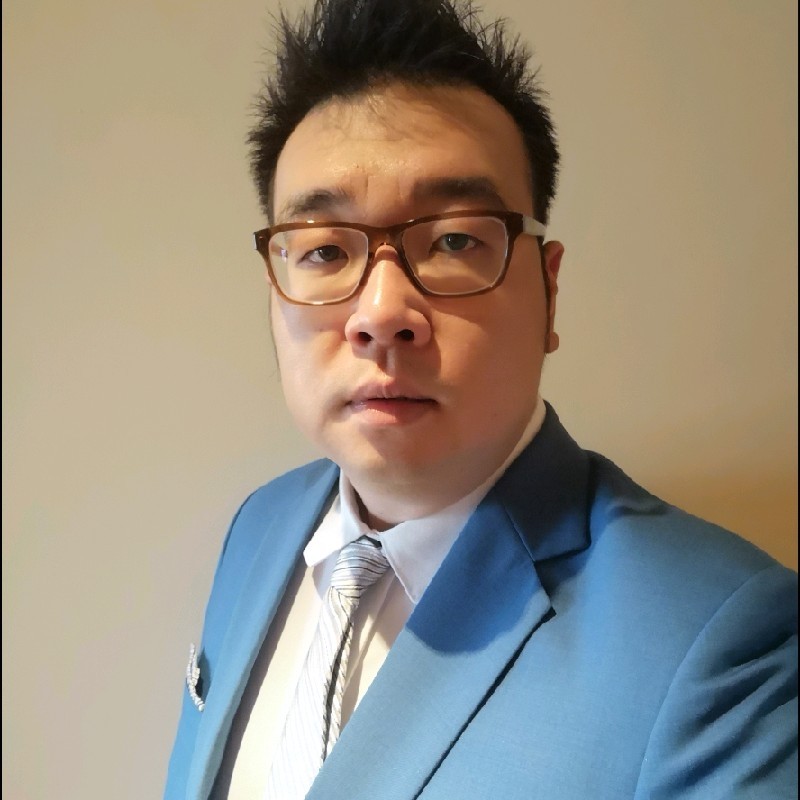
Jeremy Lee is a seasoned digital marketing director and strategist with over two decades of experience in the industry. As the founder of Sotavento Medios, I manage a diverse portfolio of over 50 businesses, helping brands grow through advanced search strategies and digital innovation. My work focuses on bridging the gap between traditional search engine optimisation and the evolving world of AI-driven answer engines.
get in touch