

For businesses in Singapore, a virtual or hybrid event is no longer just a practical way to gather people who cannot be in the same room. It is often the first live brand experience a client, partner, investor, or member has with your organisation. That means the event platform, visual identity, speaker flow, and audience touchpoints all need to work together to communicate quality, trust, and professionalism. When Zoom Events is customised well, it can support a premium brand impression rather than feeling like a generic video call with a registration page attached.
In a market like Singapore, where audiences are accustomed to polished service standards across finance, healthcare, education, real estate, and B2B services, presentation matters. A premium brand is not only about using expensive visuals. It is about consistency, clarity, and control at every stage of the event journey, from invitation to post-event follow-up. That includes how your event lobby looks, how speakers are introduced, how attendees move through sessions, and how the registration experience reflects the tone of your organisation. The goal is to make the event feel intentional and credible, while still keeping the experience easy for participants across different age groups and device types.
Customising Zoom Events well also helps reduce confusion and supports better engagement. For Singaporean audiences, many of whom juggle work across mobile and desktop devices, practical design choices matter. Clear navigation, familiar language, simple instructions, and stable technical delivery can make the difference between a polished event and one that feels disorganised. A premium brand should never create friction. It should make the experience feel seamless.
Start with a brand system, not just a logo
The most common mistake in event customisation is focusing only on the logo and colour palette. While these elements are important, premium branding requires a broader system. That system includes typography, image style, messaging tone, speaker presentation, motion graphics, and the way each digital screen supports the same visual identity. In Zoom Events, every attendee-facing surface should feel like part of one coherent brand experience.
Think of the event as a digital venue. Just as a physical venue in Marina Bay or Orchard would use signage, lighting, and spatial design to communicate quality, your Zoom environment should use branded visual cues to guide the audience. A registration page with inconsistent colours, a lobby with mismatched banners, and session slides that use a different font can weaken perceived professionalism. Consistency signals control, and control is a key feature of premium positioning.
Define the visual language before you build the event
Before you start customising the platform, define the visual language you will use across all touchpoints. This usually includes your primary and secondary colours, approved fonts, image treatments, icon style, and tone of voice. If your organisation already has a corporate identity guide, apply it carefully to the event environment. If you do not have one, create a simplified event-specific version that aligns with your core brand while remaining practical for digital production.
A strong visual language also helps your internal team and external vendors stay aligned. For example, if your brand uses a calm, authoritative aesthetic, then your event graphics should avoid loud contrast, cluttered layouts, or overly playful illustrations. If your brand is more innovation-led, you can use sharper motion, bolder transitions, and dynamic speaker visuals, but the overall composition should still feel polished and deliberate.
Use high-quality creative assets consistently
Premium branding depends heavily on asset quality. Low-resolution banners, stretched logos, and poorly cropped speaker photos can make a well-planned event look rushed. Use images with appropriate resolution for digital display, and make sure all creative materials are designed for the actual screen sizes your attendees will use. In Singapore, many participants will join from laptops during office hours or from mobile devices while commuting, so assets must remain clear at multiple sizes.
Speaker headshots should be professionally cropped, consistent in lighting, and visually harmonised. If you are featuring partners, directors, or subject matter experts, standardise the background treatment so the event feels curated rather than pieced together. This is especially important for B2B events where audience trust is influenced by visual discipline as much as by the content itself.
Design the attendee journey with a premium service mindset
Premium branding is experienced as a journey, not a single screen. In Zoom Events, the attendee journey usually begins with registration, continues through confirmation and reminders, then moves into the lobby, session rooms, networking areas, and follow-up materials. Each step should feel intentional, easy to understand, and consistent with the event’s purpose.
Singapore audiences generally value clarity and efficiency. A premium experience should respect time, minimise unnecessary clicks, and make important information easy to locate. If attendees need to hunt for session schedules or wonder whether they are in the correct room, the brand experience weakens. Good design reduces cognitive load, which simply means the audience does not need to think hard about how to use the platform.
Refine the registration experience
The registration page is often the first real brand interaction in Zoom Events. Keep the design uncluttered and aligned with the event’s purpose. Use concise copy that explains who the event is for, what attendees will gain, and what they need to do next. If your audience includes senior professionals, board members, or government-linked stakeholders, avoid overly casual language and make the registration flow feel structured and credible.
Consider the information you request. Premium brands do not ask for unnecessary data. They collect only what is relevant for event operations, audience segmentation, and follow-up communication. This approach feels more respectful and more professional. For Singapore-based organisations, data handling should also be considered in line with the Personal Data Protection Act, which governs the collection, use, and disclosure of personal data in Singapore.
Brand the confirmation and reminder touchpoints
Do not treat confirmation emails and calendar reminders as administrative afterthoughts. These messages should reinforce the same premium impression as the event page. Use clean formatting, a concise subject line, and clear instructions about timing, access, and technical checks. If the event includes multiple sessions or time zones, state this clearly to avoid confusion.
For hybrid events, remind attendees whether they are joining online or attending in person, and what they should expect next. This is particularly useful for Singapore-based corporate events that may include regional guests from Malaysia, Indonesia, or other APAC markets. Reliable reminders reduce last-minute support requests and help the experience feel well managed.
Make the lobby feel like a digital reception area
The lobby or event landing area is the digital equivalent of a reception space. It should orient attendees quickly and create a sense of calm professionalism. Use branded welcome messaging, concise navigation labels, and visible cues for where to go next. If the lobby is crowded with too many promotional elements, the premium feel is lost.
Good lobby design prioritises function first. Attendees should immediately understand where to access sessions, how to find support, and where key event materials are located. If networking features are enabled, explain them clearly. If not, do not overload the interface with unused options. Premium service often means editing more, not adding more.
Use live production techniques that elevate perceived quality
Once attendees enter the event, the live production layer becomes the main driver of brand perception. A beautifully designed event page cannot compensate for inconsistent audio, awkward speaker transitions, or unprofessional moderation. Premium brands invest in production discipline because live delivery shapes credibility in real time.
In Singapore, audiences are generally familiar with well-produced corporate events, government briefings, and hybrid conferences. They will notice whether an event feels rehearsed and controlled. That does not mean every event needs broadcast-level complexity. It means the production should be stable, clear, and well managed, with a strong emphasis on audio quality, visual consistency, and speaker readiness.
Prioritise audio and speaker readiness
Audio is often more important than visuals in determining how polished an event feels. Poor sound creates immediate fatigue and reduces attention. Use quality microphones, confirm levels in rehearsal, and ensure speakers understand how to mute, unmute, and position themselves correctly. If your event includes panel discussions, assign a moderator to manage pacing and transitions so conversation feels smooth.
Speaker coaching is equally important. Premium branding depends on delivery style as much as design. Encourage speakers to use plain, confident language, avoid reading slides too closely, and maintain a steady pace. For senior leaders or technical experts, a short rehearsal can make a significant difference in how authoritative and composed they appear on screen.
Use branded motion and transitions with restraint
Motion graphics, lower-thirds, and transition screens can make Zoom Events look more refined, but they should be used with restraint. Excessive animation can feel distracting or dated. The best use of motion is functional and elegant, helping identify speakers, mark session changes, and maintain visual continuity. Keep transitions smooth and consistent with your brand identity.
If your brand is corporate and trust-led, simple animated title cards and clean speaker introductions may be enough. If your event is product-led or innovation-focused, you can incorporate more dynamic visual movement, but the effect should still support the content rather than overpower it. Premium design is often quiet, disciplined, and precise.
Create a clear moderation structure
A well-moderated event feels organised, even when technical issues arise. The moderator should introduce speakers clearly, manage timing, handle audience questions, and maintain momentum. For hybrid events or larger webinars, the moderator also acts as the audience’s guide. This is especially important when your guest list includes senior stakeholders who expect efficient time management.
Clear moderation also improves the attendee experience in multilingual or mixed-audience settings, which are common in Singapore. If the event uses only English, ensure the language is accessible and professional. If other languages are used, plan the transitions carefully so the audience never feels lost.
Strengthen the premium feel through accessibility, privacy, and operational trust
A premium brand is not only visually elegant. It is trustworthy, accessible, and operationally dependable. In Singapore, where audiences are increasingly aware of data handling, digital accessibility, and service reliability, these factors influence how your brand is perceived. If an event looks impressive but is difficult to navigate or unclear about privacy, the premium image is undermined.
Zoom Events offers a strong base for structure, but your team still needs to manage how information is presented and how attendees are supported. This includes readable text, logical layouts, basic accessibility considerations, and transparent communication about data use. The more friction you remove, the more premium the experience feels.
Apply accessible design principles
Accessible design means making the event easier to use for more people, including those with visual, auditory, or cognitive limitations. Use sufficient contrast between text and background, avoid placing critical information in overly decorative graphics, and keep labels simple. When possible, provide captions or transcription support for live sessions, especially if the event has long-form content or an international audience.
Accessibility is not just a compliance issue. It reflects respect for the audience. In a premium context, being considerate and organised matters as much as being visually impressive.
Be transparent about privacy and data use
Singapore audiences are increasingly attentive to privacy, especially when registering for events that collect job titles, contact details, company names, or questions submitted during the session. Be clear about why data is being collected, how it will be used, and whether it may be shared with sponsors, partners, or internal teams. This transparency builds trust and supports a premium reputation.
If your event includes lead generation or sponsor engagement, separate those processes clearly so attendees understand what will happen with their information. Clarity reduces discomfort and reinforces a sense of professionalism.
Build a support plan for live event issues
Even premium events encounter technical issues. What distinguishes a premium brand is not the absence of problems, but the speed and quality of response. Create a support plan with clear roles for host, moderator, technical producer, and helpdesk contact. If a speaker disconnects or a file fails to load, the audience should continue to feel guided and informed.
For Singapore-based teams, it is useful to run a full rehearsal in conditions similar to the live event, including internet checks, screen-sharing tests, backup access, and cue timing. This is especially important if participants include senior management or external partners who expect a smooth, professional standard.
Turn the post-event experience into part of the brand
The event is not over when the live session ends. Post-event communication is part of the brand experience, and in many cases it is where the most measurable business value appears. A premium brand should continue to feel organised after the broadcast, with clear follow-up materials, thank-you messages, and well-structured access to recordings or resources.
For Singapore audiences, prompt and practical follow-up is often appreciated. Busy professionals want to know what happens next, where to find content, and how to contact the organiser if needed. A delayed or messy follow-up can weaken the impression created by an otherwise excellent live event.
Use structured follow-up content
Send a post-event message that reflects the event’s tone and value. Include a thank-you note, session highlights, relevant materials, and clear next steps. If a recording is available, state when it will be shared and whether access is limited. If the event was lead-focused, align the follow-up with the audience’s stage in the buying or engagement journey without sounding aggressive.
Well-structured follow-up also helps internal teams measure whether the event’s premium positioning translated into meaningful engagement. Look at qualitative feedback, attendee comments, and support requests to identify where the experience felt polished and where it felt uneven.
Review the event experience like a brand audit
After the event, review each touchpoint as if you were a first-time attendee. Did the registration page feel clear? Did the lobby communicate quality? Were the speakers easy to follow? Did the follow-up materials continue the same visual and verbal tone? This review helps identify whether the event truly reflected the premium brand or only looked premium in isolated moments.
For organisations that run events regularly, this brand audit process should become part of standard operating practice. Over time, it improves both consistency and efficiency. That is especially valuable in Singapore, where many businesses manage lean teams and expect every event to serve a strategic purpose.
Customising Zoom Events to reflect a premium brand is not about adding more design layers or making everything feel luxurious in a superficial way. It is about aligning visuals, language, production quality, accessibility, privacy, and follow-up into one coherent experience. When those elements are handled well, the event feels credible, calm, and carefully managed. That is what audiences in Singapore often recognise as premium. Whether you are hosting a corporate town hall, a client briefing, a product launch, or a hybrid conference, the strongest impression comes from thoughtful execution. If your team wants the event to represent your brand at a high standard, focus on consistency, simplicity, and operational discipline at every stage, from first invitation to final follow-up.
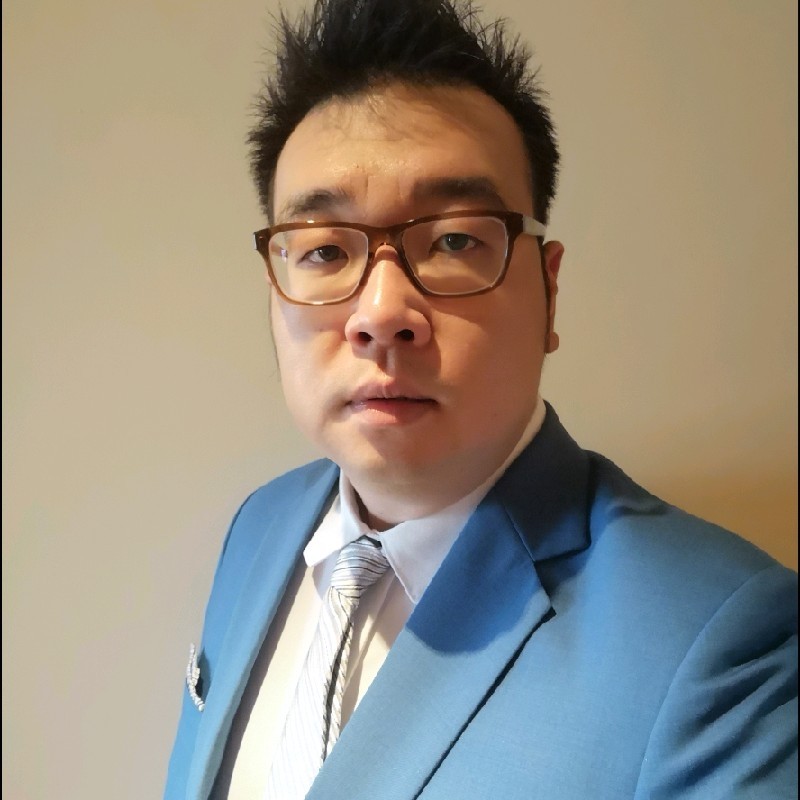
Jeremy Lee is a seasoned digital marketing director and strategist with over two decades of experience in the industry. As the founder of Sotavento Medios, I manage a diverse portfolio of over 50 businesses, helping brands grow through advanced search strategies and digital innovation. My work focuses on bridging the gap between traditional search engine optimisation and the evolving world of AI-driven answer engines.
get in touch