
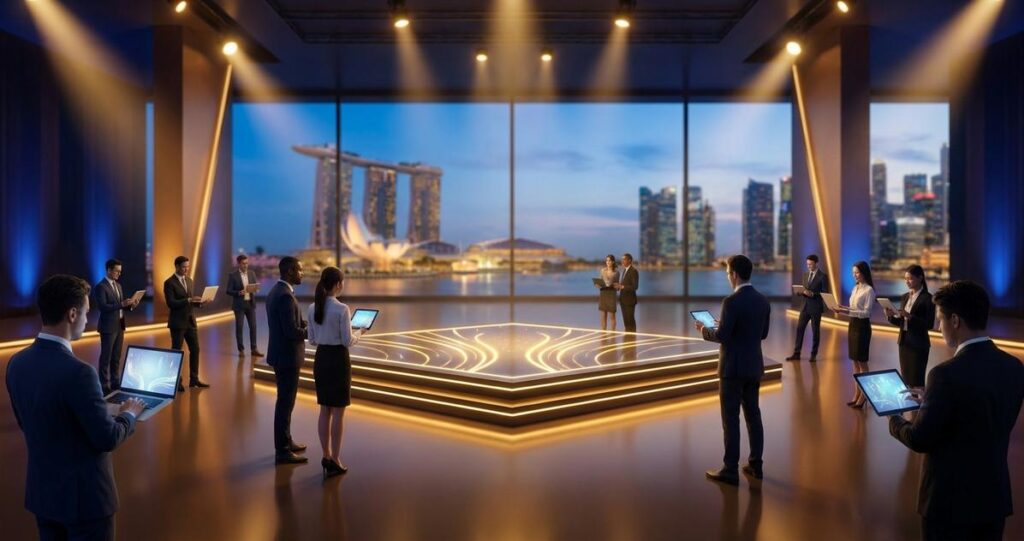
As year-end events continue to evolve, many Singapore organisations are looking for ways to bring people together without the limits of a physical venue. A 3D virtual celebration offers a compelling option for companies that want to engage teams, clients, and partners with a polished, interactive experience that feels immersive while remaining practical. For businesses in Singapore, where hybrid work, regional teams, and tight scheduling are common, the appeal is easy to understand. A well-planned virtual event can reduce logistical friction, support cross-border participation, and still deliver the sense of occasion that a year-end celebration should create.
That said, a high-impact 3D virtual celebration is not simply a livestream with graphics. The format works best when it is designed as an experience, not just a broadcast. It needs clear event goals, the right production workflow, thoughtful audience engagement, and technical reliability. When those elements are handled well, the event can strengthen internal culture, reinforce brand identity, and help participants feel genuinely involved, whether they are joining from a Singapore office, a home setup in Tampines, or a regional location in Kuala Lumpur, Jakarta, or Hong Kong.
For Singapore-based organisations, the strongest year-end virtual events usually balance creativity with discipline. They respect audience time, account for device and connectivity realities, and align the celebration with measurable business objectives. That might mean recognising staff contributions, launching next year’s priorities, appreciating clients, or bringing remote teams together in a shared festive setting. The best results come from using the technology to support human connection, not replace it.
Why a 3D Virtual Celebration Works for Singapore Organisations
Singapore businesses operate in a highly connected but time-sensitive environment. Teams often work across multiple office locations, and many organisations now include hybrid staff, contractors, and overseas stakeholders. A 3D virtual celebration helps solve a familiar challenge, how to create a memorable year-end experience that people can attend without travel, venue constraints, or large-scale event logistics. Because the format is digital, it can also be more inclusive for employees who may find physical attendance difficult due to caregiving responsibilities, mobility limitations, or overseas assignments.
Another reason the format is effective is that it offers room for controlled creativity. Unlike a standard webinar, a 3D virtual environment can present a branded stage, interactive reception areas, live host segments, award zones, sponsor booths, and animated transitions. These features help create a stronger sense of occasion. For companies in sectors such as technology, professional services, finance, logistics, and education, the format can communicate modernity and professionalism while still feeling festive.
Singapore audiences also tend to value efficiency and quality. A virtual format should therefore be well-paced, visually clean, and easy to navigate. If the event requires excessive clicks, confusing login steps, or unstable streaming, participation drops quickly. Planning with the user experience in mind is especially important when the event may include staff of different age groups and digital comfort levels, from younger employees used to interactive interfaces to senior executives who prefer straightforward access.
What Makes the Experience Feel High-Impact
A high-impact event is one that holds attention from start to finish. In a 3D virtual celebration, that usually depends on three pillars, visual storytelling, participant interaction, and technical smoothness. Visual storytelling gives the event a clear identity, perhaps through a cityscape theme, a futuristic skyline, a winter-inspired festive setting, or a brand-led digital world. Interaction keeps the audience active rather than passive. Technical smoothness ensures the event feels credible and professional throughout.
When these pillars work together, attendees are more likely to remember the event positively. They are also more likely to engage with shared moments such as leadership messages, employee recognition, live polls, or lucky draw segments. For a year-end celebration, those moments matter because they reinforce belonging and appreciation, two things that are often more valuable than entertainment alone.
Planning the Event Around Clear Objectives
Before any creative work begins, the organising team should define the purpose of the celebration. Is the main goal to thank employees for the year’s work, celebrate sales achievements, launch a new business direction, or bring together a regional workforce? A virtual celebration can support all of these goals, but each one calls for different content, pacing, and tone. Without a clear objective, the event may look impressive but feel hollow.
For Singapore companies, the planning process should also consider practical constraints. Year-end calendars are crowded, and many teams close projects, take leave, or manage holiday commitments in December. Choosing a suitable date and time is therefore essential. If the audience includes regional participants, time zone planning becomes important as well. A well-structured event can accommodate both local staff and overseas attendees without creating undue fatigue or inconvenience.
Budgeting is another critical step. A 3D virtual celebration can be cost-efficient compared with a large physical event, but the savings should not lead to underinvestment in design or support. The most common mistake is assuming that virtual automatically means simple. In reality, strong virtual events require careful production planning, platform setup, rehearsals, speaker support, and live moderation. These elements are what protect the attendee experience.
Audience Segmentation and Message Design
Different audiences respond to different types of content. Internal staff may appreciate recognition, light-hearted activities, and leadership messages. Clients may value concise appreciation, brand polish, and a clear sense of partnership. Partners or vendors may prefer messages that acknowledge collaboration and shared outcomes. Segmenting the audience helps the event team tailor the experience without losing cohesion.
In a Singapore context, this is particularly useful for multinational companies. A single event may need to serve employees from different backgrounds, departments, and seniority levels. Thoughtful message design can ensure the event feels inclusive rather than generic. That might mean using a mix of English and simple on-screen cues, keeping humour culturally neutral, and avoiding references that only a small group would understand.
Building the 3D Virtual Experience
The strength of a 3D virtual celebration lies in its environment. The digital venue should be designed to be visually engaging while still intuitive to use. Participants should know where to go, what to click, and how to join each segment without friction. In practice, that means prioritising clean navigation, concise instructions, and a platform structure that supports the event flow.
A well-designed 3D experience often includes a main stage, breakout spaces, interactive lounges, and branded content areas. These elements can be used to simulate the feel of a real event while keeping the benefits of a digital format. For example, a lobby area can welcome guests before the program starts, an awards hall can host recognition segments, and a networking zone can allow post-event interaction. The goal is not to imitate a physical event exactly, but to create an environment that feels intentional and engaging.
Singapore organisations should also think about mobile usability. Many participants will join from laptops, but others may use phones or tablets. The interface should work across devices, and the content should remain legible on smaller screens. This matters more than ever because event attendance often depends on convenience. If the experience feels too complicated on mobile, some participants may leave early or disengage.
Content Flow and Production Quality
Content flow should match the attention span of a virtual audience. Segments that are too long can create fatigue, especially if participants are watching from home or during a busy workday. A strong program usually alternates between short speeches, visual highlights, interactive moments, and celebratory elements such as performances or recognition segments. This rhythm helps maintain interest and prevents the event from becoming monotonous.
Production quality also matters greatly. Clear audio, stable streaming, professional lighting for speakers, and coordinated scene transitions all contribute to audience trust. In a virtual setting, poor audio can undermine even the best content. That is why rehearsals, sound checks, and backup plans are essential. If the event includes live speakers from multiple locations, the production team should prepare for different internet conditions, room acoustics, and device setups.
For Singapore organisations, professionalism is often judged through small details. Clean lower-thirds, consistent branding, accurate captions if used, and seamless transitions between speakers all reflect the standards expected in a corporate environment. These details are not decorative extras. They shape how participants perceive the company’s attention to quality.
Making the Celebration Engaging for a Diverse Audience
One of the biggest advantages of a virtual celebration is the ability to engage many people at once without forcing everyone into the same physical room. Still, engagement needs to be designed carefully. Passive viewing rarely creates a memorable experience. Instead, the event should include opportunities for attendees to respond, choose, react, or participate in real time.
Interactive polls, live Q&A, virtual applause tools, quizzes, and recognition moments can all help create participation. For year-end celebrations, employee shout-outs and team milestones are particularly effective because they make the experience feel personal. If the event has a festive theme, gamified elements can add energy without becoming distracting. The key is moderation. Too many interactive tools can overwhelm the audience, while too few can make the event feel flat.
For a Singapore audience, inclusivity should remain a priority. Avoid assuming that all attendees enjoy the same style of humour or competition. Keep instructions simple, respect different communication preferences, and offer multiple ways to engage. Some participants will speak up actively, while others may prefer to react through polls or chat. A good virtual event makes space for both.
Recognition That Feels Meaningful
Recognition is often the emotional centre of a year-end celebration. In many organisations, it is the moment when people feel that their work has been seen and appreciated. To make recognition meaningful in a 3D virtual format, avoid rushing through it. Present it with strong visuals, short but specific commentary, and, where appropriate, pre-recorded clips or testimonials from colleagues.
Recognition should also be aligned with the organisation’s values. Rather than only celebrating output, many companies now recognise teamwork, customer care, resilience, and innovation. That approach is especially relevant in years where teams have adapted to changing market conditions or operational pressures. A thoughtful recognition segment can leave a stronger impression than a long speech.
Managing Technology, Access, and Event Reliability
Technology can make or break a virtual celebration. The best creative concept will fall short if the platform is unstable or the audience cannot access it easily. This is why technical planning should start early and include full testing. The event team should test registration flows, login links, audio-visual quality, browser compatibility, and load performance. If the platform supports 3D elements, those should be tested under realistic conditions rather than assumed to work automatically.
Reliability also depends on contingency planning. Every live event should have backup speakers, backup files, and a clear support process for technical issues. If a presenter loses connection, the production team should know exactly how to recover without confusing the audience. If a participant struggles with access, support contact details should be easy to find. For companies in Singapore, where professionalism is closely associated with operational readiness, these details are not optional.
Data privacy and access control are also relevant. Event organisers should use secure registration methods, avoid sharing sensitive links publicly, and manage participant data responsibly. While the specific obligations will depend on the organisation and event setup, following good data-handling practices is part of maintaining trust. A professional event partner should be able to explain how access, moderation, and attendee information are managed.
Rehearsals and Speaker Preparation
Even strong speakers can underperform in a virtual setting if they are not prepared for the format. Rehearsals help speakers adjust pacing, eye contact, screen sharing, and delivery style. They also help the production team identify timing issues, transitions, and technical risks. In a 3D virtual celebration, rehearsal time is one of the most effective investments the organiser can make.
Speaker preparation should include guidance on how to communicate clearly on camera. Shorter sentences, natural pauses, and a steady tone work better than highly complex delivery. If executives or team leads are speaking, they should understand the audience’s likely viewing context, which may include mobile devices, home distractions, or short attention windows. The aim is not to oversimplify the message, but to present it in a way that is easy to absorb.
Turning the Event into Lasting Value
A year-end celebration should not end when the livestream stops. With the right planning, the event can continue to generate value after the broadcast. Highlight clips, photo galleries, replay access, and internal communication recaps can extend the life of the celebration and reinforce key messages. This is especially useful for organisations with dispersed teams, because not everyone may have been able to attend live.
Post-event follow-up can also support culture-building. If the event included awards or team recognition, those moments can be reshared internally to strengthen morale. If the celebration introduced next year’s direction, the organisation can use the event recordings to keep that message visible. For client-facing events, highlight reels may support relationship-building and brand recall.
In Singapore, where business communication tends to be efficient and outcome-oriented, this aftercare matters. A polished event that disappears immediately misses part of its potential. A well-managed 3D virtual celebration becomes part of the organisation’s year-end communication strategy, not just a one-night activity.
For businesses planning a high-impact 3D virtual celebration, the most practical approach is to start with the outcome, then design the experience backward from there. Decide what people should feel, remember, and do after the event. Build a format that supports those goals with strong production, clear messaging, and accessible design. When those elements come together, the event can feel festive, credible, and genuinely worthwhile for a Singapore audience.
General information in this article is intended to support event planning and communication decisions. For organisation-specific needs, including technical architecture, branding, accessibility, or compliance requirements, a professional event production team should assess the setup in detail before execution.
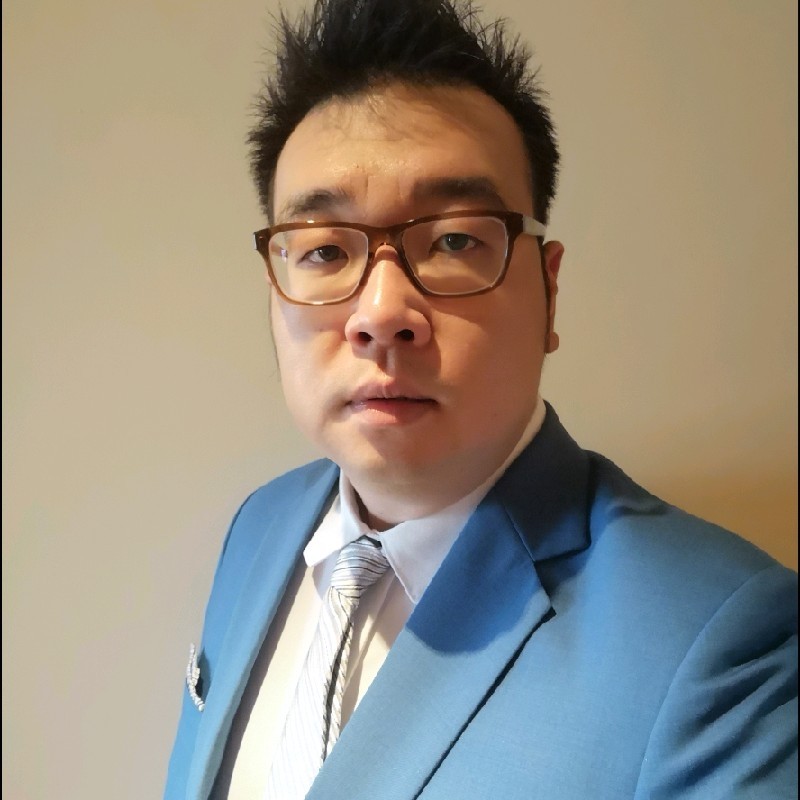
Jeremy Lee is a seasoned digital marketing director and strategist with over two decades of experience in the industry. As the founder of Sotavento Medios, I manage a diverse portfolio of over 50 businesses, helping brands grow through advanced search strategies and digital innovation. My work focuses on bridging the gap between traditional search engine optimisation and the evolving world of AI-driven answer engines.
get in touch