
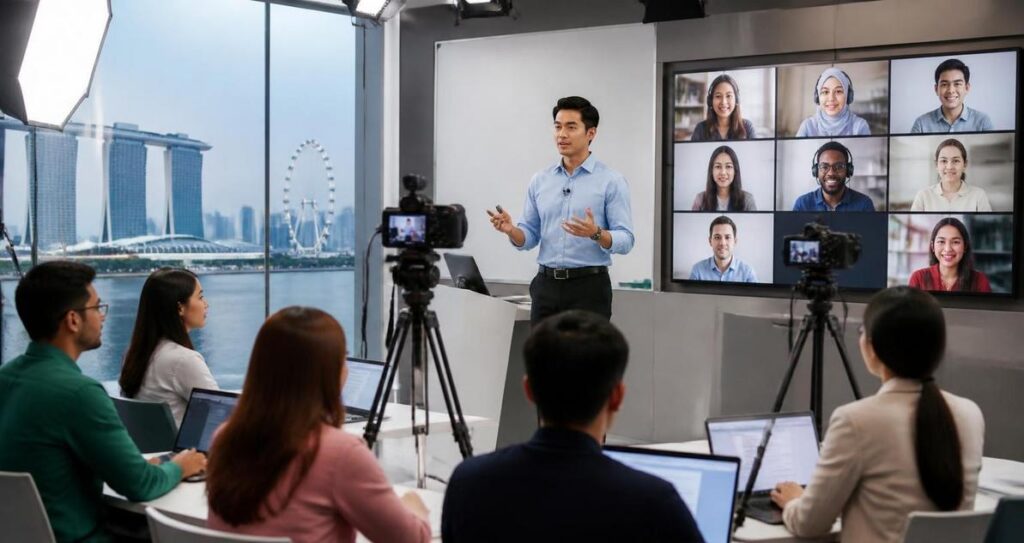
Live streaming has moved from being a convenient digital tool to a serious part of how education can be delivered across borders, time zones, and circumstances. For Singaporean families, educators, and professionals, this shift matters because education is no longer confined to a classroom, a lecture theatre, or a single campus. Students in Singapore are already familiar with hybrid learning, online enrichment, and digital collaboration, and live streaming extends those habits into a more connected global model of education. It allows a teacher in Singapore to reach learners in another country in real time, while also giving local students access to international expertise without needing to leave home. As the education landscape continues to evolve, the main question is not whether live streaming will matter, but how institutions will use it responsibly, effectively, and inclusively.
Its future role will depend on more than video quality or platform choice. Education is a structured, human process that requires interaction, feedback, and trust. Live streaming can support all three when it is used well, but it can also fail when it is treated as a simple broadcast. In a city like Singapore, where digital infrastructure is strong and expectations around educational quality are high, live streaming offers a practical way to widen access while maintaining academic standards. It can support formal schooling, continuing education, professional training, and public learning initiatives. The challenge is to make it pedagogically sound, technologically reliable, and accessible to different groups of learners.
Why live streaming has become central to modern education
Live streaming matters because it combines reach with immediacy. Unlike prerecorded video, it allows learners to participate in real time, ask questions, and observe demonstrations as they happen. That live interaction supports engagement, especially in subjects where timing, explanation, or demonstration matters. It can be used for university lectures, exam preparation sessions, corporate upskilling, language classes, and public health education. In Singapore, where many learners and working adults balance study with demanding schedules, live access can make education more flexible without fully removing the structure that supports learning.
Another reason live streaming has become important is scale. A single expert speaker can reach a classroom in Singapore, a partner institution in another Asian city, and a global audience at the same time. This is useful for schools, universities, and training providers that want to broaden their reach without building physical campuses overseas. It also helps organisations create consistent content across locations. For example, a lecture series on data literacy, digital marketing, or healthcare communication can be delivered live to multiple groups with the same core teaching points.
Live streaming also supports continuity during disruptions. Education systems worldwide have learned that learning needs to continue during travel restrictions, severe weather, public health measures, or logistical disruptions. While live streaming is not a full substitute for in-person teaching, it gives institutions a reliable backup channel. Singapore’s education and training sectors, which often serve diverse learners and industry partners, can use live streaming to preserve continuity when face-to-face delivery is not possible.
How live streaming improves access, flexibility, and global collaboration
One of the strongest arguments for live streaming in education is access. Learners who cannot attend in person because of work, caregiving, mobility limitations, or geographic distance can still participate in a session in real time. This is especially relevant for adult learners in Singapore, many of whom are pursuing part-time studies, professional certification, or continuing education alongside full-time work. A live-streamed class offers a practical middle ground between physical attendance and self-paced online learning.
Widening access for different learner groups
Live streaming can support learners who need flexibility, but accessibility must be built into the design. Captions, clear audio, stable connections, and slides with readable text are not optional extras. They are essential features for inclusivity. Learners with hearing difficulties may depend on captions, while others may need recordings for review after the live session. In Singapore, where education often serves multilingual audiences, clear pronunciation, visual reinforcement, and simple structure can improve comprehension for a wider range of learners.
Institutions should also think about device access and internet reliability. While Singapore has strong digital infrastructure, learners still use different devices and internet environments. Some may join from home, others from public spaces, and some from mobile devices between work commitments. Designing for low friction, such as short login steps, mobile-friendly interfaces, and downloadable notes, can make the experience more usable.
Connecting learners across borders
Global education increasingly depends on collaboration across institutions and countries. Live streaming makes it easier for universities, schools, and training providers to organise joint classes, guest lectures, panel discussions, and cross-border workshops. A student in Singapore can hear directly from a professor in Europe, join a session with peers in Southeast Asia, or take part in an international industry briefing without expensive travel. This supports exposure to different viewpoints, teaching styles, and professional networks.
For Singapore, this has strategic value. As a hub for education, business, and regional collaboration, Singapore benefits when its institutions can project expertise outward and also absorb knowledge from other countries. Live streaming supports that two-way exchange. It helps local institutions position themselves as contributors to regional and global learning, not just consumers of external content.
Supporting lifelong learning and professional development
Live streaming is particularly useful for adult learning because it fits around work and family commitments. A professional can attend a live leadership workshop after office hours, join a compliance briefing during lunch, or take part in a weekend industry seminar without travelling across the city. This matters in Singapore, where many people manage long commutes, busy schedules, and multiple responsibilities. Live sessions can reduce the time burden associated with continuing education while still preserving the discipline of scheduled learning.
For employers, live streamed training can also support consistent knowledge sharing across teams. Staff in different branches, job functions, or regional offices can receive the same message at the same time. That is valuable for onboarding, policy updates, safety briefings, and skills development. However, quality still matters. A live stream should not become a passive talking head session. It should include interaction, questioning, checkpoints, and follow-up materials so that learning remains active.
The pedagogy behind effective live streaming
Technology alone does not create learning. The educational value of live streaming depends on instructional design, not simply on video transmission. Effective live streaming supports attention, comprehension, interaction, and retention. That means the session needs clear objectives, a logical structure, and planned opportunities for participation. Teachers and trainers should treat live streaming as a teaching environment, not just a camera pointed at a classroom.
Designing for interaction, not just broadcast
One common mistake is to reproduce a face-to-face lecture without adapting it for the online format. In a physical room, teachers can read body language, adjust pace, and respond naturally to questions. In a live streamed session, those cues are weaker, so the session must be designed more deliberately. Polls, chat prompts, Q and A segments, short pauses, and guided tasks can help learners stay engaged. Shorter teaching blocks are often more effective than very long monologues.
In Singapore’s education culture, where many learners are accustomed to structured content and high standards, clear delivery is especially important. Sessions should state the learning goals early, summarise key points, and signpost transitions. This helps learners understand what they are expected to absorb. For practical subjects, such as science demonstrations, culinary training, business presentations, or language practice, multiple camera angles and close-up views can improve clarity.
Balancing synchronous and asynchronous learning
Live streaming works best when it is part of a blended learning model. Synchronous learning, meaning live participation at a specific time, offers interaction and immediacy. Asynchronous learning, meaning recorded or self-paced study, offers flexibility and revision. Together, they create a more robust educational experience. A live session can introduce the topic, clarify difficult concepts, and answer questions, while recordings, notes, and assignments reinforce learning afterwards.
This blended approach is particularly useful in Singapore, where many learners seek efficient use of time. A recorded archive can help those who are unable to attend live because of shift work, caregiving, or time zone differences. It also supports revision before assessments. Institutions that combine live sessions with well-prepared supporting materials often achieve a better learner experience than those that rely on live streaming alone.
Maintaining trust and instructional quality
Trust is central to education. Learners need confidence that the information is accurate, the session is professionally run, and the content aligns with recognised standards. This is especially important for subjects involving health, finance, law, or professional certification. In such cases, live streaming should be handled by qualified presenters and checked against current, reliable sources. Content should be reviewed in advance, and questions that go beyond the presenter’s expertise should be handled carefully and appropriately.
When a session covers health-related material, for example, educators should distinguish clearly between general information and personalised medical advice. The same principle applies across disciplines. Live streaming can improve access to expert knowledge, but it does not remove the responsibility to ensure that the knowledge is accurate and current.
What global education institutions must get right
As live streaming becomes more common, institutions will need to address several practical and ethical issues. These are not minor concerns. They determine whether live streaming improves education or simply adds another layer of digital noise.
Technical reliability and user experience
A stable technical setup is essential. Audio quality often matters more than video quality, because learners can tolerate average picture resolution better than unclear sound. Institutions should invest in microphones, lighting, connectivity, and backup systems. A live stream that freezes, cuts out, or produces poor sound can interrupt learning and reduce confidence in the institution. Simple preparation, including rehearsals and contingency plans, can prevent many common problems.
From a Singapore perspective, this is highly relevant because audiences tend to expect professional standards in digital services. If a live stream is meant to represent a school, university, or training provider, it should reflect care and competence. That includes smooth registration, clear instructions, and quick support if technical issues arise.
Accessibility, privacy, and consent
Institutions also need to think carefully about privacy. Not every learner is comfortable appearing on camera, and not every classroom interaction should be publicly broadcast. Consent should be clear, especially when sessions are recorded or shared across platforms. If minors are involved, additional safeguards are necessary. Data protection practices should also be reviewed, including how participant information, chat logs, and recordings are stored and who can access them.
Accessibility should be treated as part of quality, not as an afterthought. Captions, transcripts, readable slides, and flexible participation tools help more people benefit from the session. In a multilingual and diverse society such as Singapore, these features can widen participation significantly.
Assessment and academic integrity
When live streaming becomes part of formal education, assessment design matters. If students are expected to learn partly through live online sessions, assessments should reflect that mode of learning. Institutions need clear policies on participation, attendance, recording use, and assessment integrity. This is especially important when exams, quizzes, or graded discussions are delivered online. A trustworthy system should combine technology with clear rules and human oversight.
Academic integrity also depends on how institutions verify identity, protect assessment conditions, and prevent misuse of recordings. These are practical governance issues, not technical afterthoughts. The more widespread live streaming becomes, the more essential it is for institutions to align delivery methods with fair and transparent academic policies.
What the future may look like for Singapore and the wider world
Live streaming is unlikely to replace in-person education, nor should it. The future of global education will probably be hybrid, with live streaming serving as one important layer within a broader mix of face-to-face teaching, recorded resources, interactive platforms, and applied projects. This model allows institutions to expand access without losing the human connection that education requires.
For Singapore, the opportunity is especially strong. The country’s digital readiness, strong education culture, and regional connectivity make it well suited to lead in high-quality hybrid learning. Schools, universities, training providers, and professional bodies can use live streaming to connect local learners with global experts, support lifelong learning, and build more resilient education systems. The key is not to chase technology for its own sake, but to use it thoughtfully in service of learning outcomes.
As live streaming becomes more advanced, institutions may also combine it with interactive tools such as real-time translation, shared digital whiteboards, and better accessibility features. These developments can improve inclusion and cross-border collaboration, especially in diverse learning environments. Still, the basic principles will remain the same: good teaching, clear communication, reliable technology, and respect for learner needs.
For Singaporean learners, parents, educators, and employers, the practical takeaway is straightforward. Live streaming is most valuable when it is planned well, delivered professionally, and embedded within a strong educational framework. It can widen access to knowledge, support collaboration across countries, and make lifelong learning more manageable. Used carefully, it can help shape a future of education that is more connected, more flexible, and more inclusive without lowering standards.
Note: This article provides general educational information and should not be treated as individual academic, legal, or professional advice. Institutions and learners should consider their specific context, policies, and requirements when adopting live streaming for education.
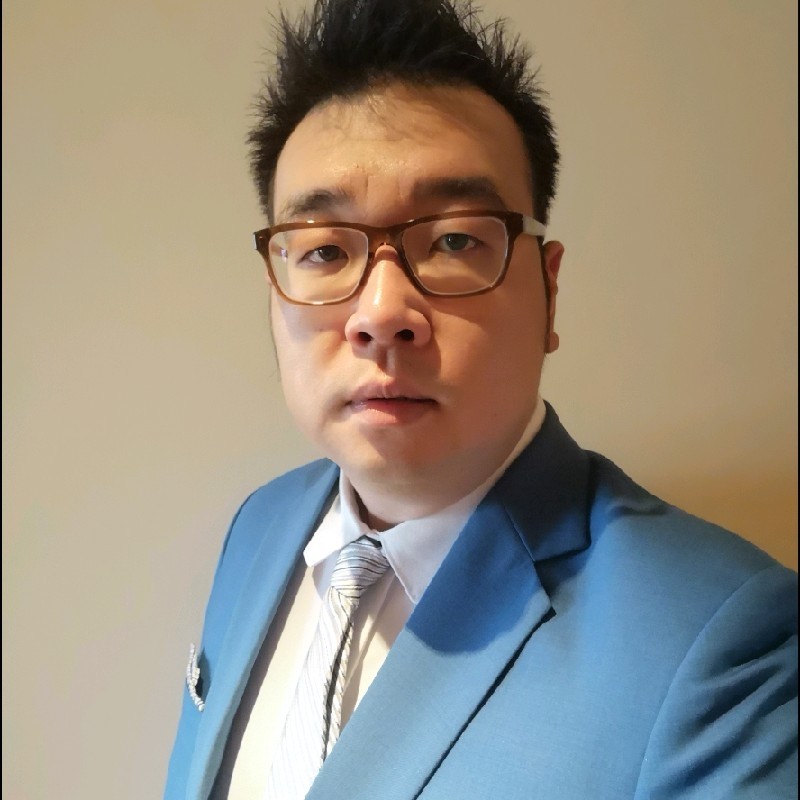
Jeremy Lee is a seasoned digital marketing director and strategist with over two decades of experience in the industry. As the founder of Sotavento Medios, I manage a diverse portfolio of over 50 businesses, helping brands grow through advanced search strategies and digital innovation. My work focuses on bridging the gap between traditional search engine optimisation and the evolving world of AI-driven answer engines.
get in touch