
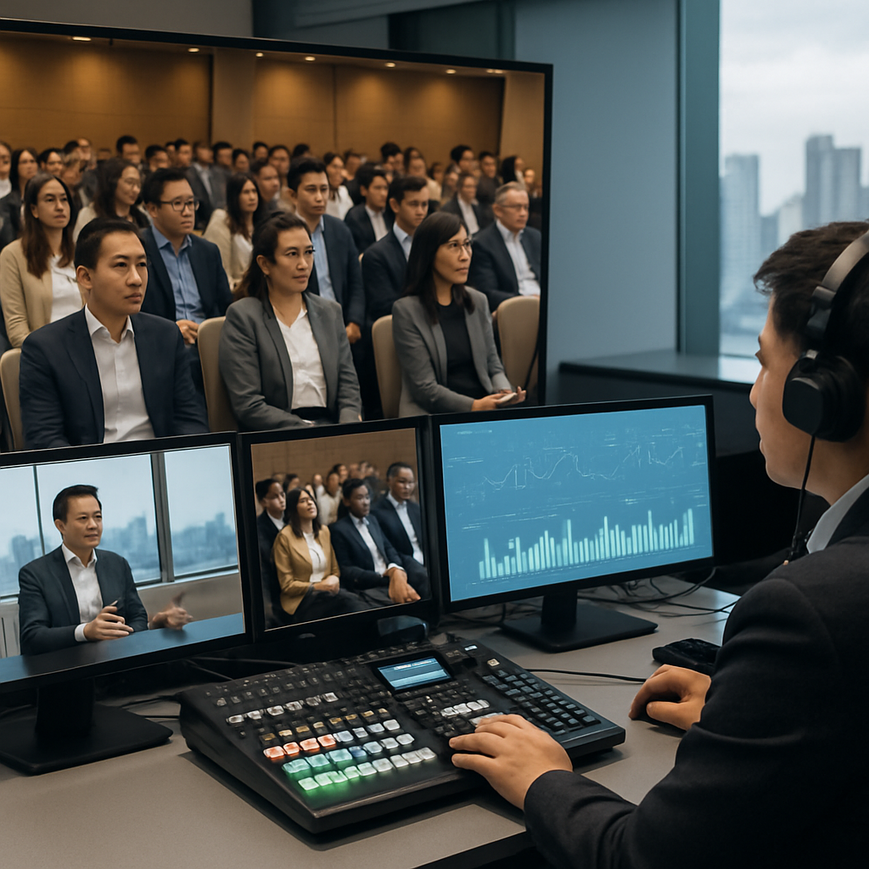
Business events in Singapore have changed quickly, and streaming is no longer treated as a simple backup for people who cannot attend in person. For many organisations, from finance and healthcare to technology, education, and government-linked enterprises, the live stream has become part of the event itself. The next step is personalisation, where different viewers receive content, prompts, and interactions that match their role, language preference, seniority, and level of interest. For a business audience in Singapore, this matters because decision makers are busy, expectations are high, and audiences are increasingly comfortable switching between physical and digital touchpoints without losing engagement.
Personalised B2B streaming does not mean making the event feel less professional. It means making it more relevant. A procurement lead may want technical specifications and implementation timelines, while a regional director may care more about strategic outcomes and return on investment. An engineer might value detailed demonstrations, while a compliance officer may focus on governance, privacy, and risk. When a stream can adapt to these different needs, it becomes a more efficient communication channel and a better investment for the organiser.
In Singapore, this direction also fits the way businesses operate. Many events here are regional, often serving attendees from Southeast Asia who may be joining from offices, homes, co-working spaces, or hotel rooms. Multilingual expectations, tight schedules, and high digital literacy make a one-size-fits-all broadcast feel increasingly outdated. The future lies in designing streams that are interactive, modular, and data-informed, while still respecting privacy, accessibility, and professional standards.
Why Personalisation Is Becoming Central to B2B Streaming
Traditional B2B streaming usually follows a single linear programme. Everyone sees the same keynote, the same panel, and the same Q&A, regardless of job function or interest level. That format can still work for broad announcements, but it often limits relevance. In contrast, personalised streaming uses audience data and event design to tailor the experience before, during, and after the live session. The goal is not novelty. The goal is to reduce friction and increase usefulness.
One reason personalisation is gaining importance is that B2B audiences now expect the same level of responsiveness they receive from consumer platforms. People are used to recommendation engines, saved preferences, session reminders, and on-demand access. In a business context, that means attendees may expect to choose agenda paths, view translated captions, or receive follow-up content aligned to their interests. This does not require excessive complexity, but it does require deliberate planning.
Another reason is the quality of engagement. A stream that feels relevant can hold attention longer than a generic broadcast. When a session speaks directly to a viewer’s sector, pain points, or market context, that viewer is more likely to stay, ask questions, and continue into the next stage of the funnel. For organisers, this can translate into better lead qualification, stronger post-event follow-up, and clearer insight into audience needs.
What personalisation means in practice
Personalisation in B2B streaming can take several forms. It may include choosing between different content tracks, displaying targeted call-to-action buttons, offering downloadable resources based on session attendance, or showing region-specific examples. It may also include technical features such as adaptive bitrates, which adjust stream quality to a viewer’s connection, or personalised reminders and analytics dashboards for registered attendees. These tools help create a more relevant experience without changing the core message of the event.
For Singapore organisations, personalisation often works best when it is simple, transparent, and tied to real business goals. For example, a product launch for enterprise software might offer separate tracks for IT, finance, and operations. A medical technology webinar might provide one stream for clinicians and another for administrators or procurement teams. A trade association event might segment content by country or industry, especially when regional regulations differ.
Technologies Shaping the Next Generation of Streaming
The future of personalised B2B streaming depends on a combination of content strategy and technical capability. Artificial intelligence, data analytics, content management systems, and streaming infrastructure are all part of the picture. However, the most effective events are not built on technology alone. They are built on a clear understanding of audience needs and a disciplined approach to using data responsibly.
Artificial intelligence can support personalisation in several ways. It can assist with automatic captioning, session tagging, content recommendations, and real-time moderation of chat or questions. It can also help analyse engagement patterns, such as which segments of the stream retain viewers longer or which resources are downloaded most frequently. Used properly, these insights can help organisers improve future events and segment audiences more effectively.
At the same time, the basic streaming stack still matters. Reliable encoding, strong content delivery networks, mobile-friendly playback, and low-latency infrastructure are essential. Personalisation only works if the core stream is stable. If viewers experience buffering, audio dropouts, or delayed interactions, the value of customised content drops quickly. In Singapore, where audiences often expect smooth digital experiences, technical reliability is not optional.
Adaptive content delivery and viewer pathways
Adaptive content delivery is the ability to adjust stream quality and format based on device type, network conditions, and user preferences. For a professional audience, this matters because attendees may connect from office desktops, phones during travel, or tablets during field work. A personalised platform can respond to those different contexts. It can also support segmented pathways, where a viewer chooses a track at registration and receives a tailored journey throughout the event.
Viewer pathways are especially useful in multi-stakeholder events. For example, a conference on digital transformation may include one pathway for executive leadership, another for technical implementation, and a third for operations and change management. Each pathway can share a common opening keynote, then branch into targeted sessions. This approach respects the limited time of business viewers and makes the content easier to act on after the event.
AI-assisted captions, translation, and accessibility
Singapore’s multilingual environment makes accessibility and language support particularly important. AI-assisted captioning and translation can improve comprehension for viewers who prefer English, Mandarin, Malay, or Tamil support, though quality control remains essential. Automated captions can misinterpret technical terms, names, or acronyms, so human review is still needed for high-stakes corporate events. When used carefully, captioning also improves accessibility for viewers who are deaf or hard of hearing, or who are watching in environments where audio is not practical.
Accessibility should be treated as part of good event design, not as an optional extra. Clear visuals, readable slides, appropriate contrast, and keyboard-friendly navigation all contribute to a better experience. These practices align with the broader expectation of inclusive digital services and help ensure that personalised streaming serves more people, not fewer.
Data, Privacy, and Trust in the Singapore Context
Personalisation depends on data, and data use must be handled responsibly. In Singapore, organisations should be mindful of the Personal Data Protection Act, commonly known as the PDPA, which governs the collection, use, and disclosure of personal data. For event organisers, this means collecting only what is necessary, explaining how information will be used, and securing consent where required. Viewers should understand whether their data is being used for registration, analytics, marketing follow-up, or content tailoring.
Trust is especially important in B2B environments because the data involved may reveal professional interests, purchasing intent, or organisational priorities. A carefully designed privacy notice, clear opt-in options, and secure vendor management are essential. When personalisation is transparent, it can enhance the experience. When it feels intrusive, it can damage credibility and reduce participation.
Singapore organisations should also consider cyber hygiene and platform governance. A personalised streaming platform may integrate CRM systems, webinar tools, analytics dashboards, and email automation. Each integration creates a possible security exposure if not managed properly. Access controls, encryption, role-based permissions, and vendor due diligence are important safeguards. These measures help ensure that personalisation improves the event without compromising confidential business information.
Balancing relevance with privacy
The best personalised experiences use a minimum necessary data approach. For example, an organiser may need a participant’s job title, industry, and preferred language to recommend sessions. There is no need to collect excessive personal information if it does not improve the event. Organisations should also avoid creating a sense that attendance is being monitored more closely than necessary. Professional audiences are usually receptive to relevant follow-up, but they expect discretion.
For Singapore-based companies hosting regional events, cross-border data considerations may also apply when audiences join from other countries. Data handling should be reviewed with legal and compliance teams, especially if the event uses foreign cloud vendors or stores records outside Singapore. Clear governance helps organisations scale personalised streaming confidently.
Designing Streaming Experiences That Feel Human
Technology can support personalisation, but the experience must still feel human. A stream that is technically sophisticated yet emotionally flat will struggle to build trust or attention. This is where production planning matters. The tone of the host, the pacing of the agenda, the quality of the visuals, and the relevance of the speakers all shape how personalised the experience feels. A business audience can tell quickly whether content was designed for them or simply adapted after the fact.
In Singapore, practical scheduling is also part of good experience design. Many professionals are balancing long workdays, regional meetings, and travel. That means shorter sessions, clear navigation, and on-demand replays can make a major difference. A personalised stream should help people find what matters quickly, rather than forcing them through content that does not apply to them. Modular sessions, timestamps, and highlighted takeaways are simple but effective tools.
Practical examples for Singapore organisations
A regional manufacturing company hosting a virtual product briefing may segment the audience into operations, engineering, and commercial teams. Each group receives the same opening introduction, then sees different breakout content and downloadable technical sheets. A financial services firm launching a compliance update may offer one live stream for senior leaders and another for implementation teams, with targeted Q&A moderation for each group. A public-sector supplier showcase may provide separate content tracks for procurement, technical evaluation, and user training. In each case, the event becomes more efficient because viewers do not have to sift through irrelevant information.
These examples show an important principle. Personalisation is not just about making events feel premium. It is about respecting audience time and improving decision-making. For Singapore organisations competing for attention in a dense business environment, that is a practical advantage.
What the Next Few Years Are Likely to Bring
The future of personalised B2B streaming is likely to be defined by deeper integration, better data use, and stronger expectations for interactivity. Event platforms will continue to connect with CRM systems, marketing automation tools, and analytics layers, making it easier to map viewer behaviour to business outcomes. At the same time, content teams will increasingly design events around audience journeys instead of just broadcast schedules.
We can also expect more granular session formats. Rather than one long keynote followed by a general Q&A, organisers may offer live polls, modular mini-sessions, language-specific overlays, and role-based resource packs. Some events will combine live and on-demand elements so that viewers can attend in real time if they want the energy of a live programme, or catch up later if their schedule changes. This hybrid model is likely to remain important in Singapore, where regional business travel and distributed teams are common.
Another likely development is stronger expectations around measurable value. Organisers will want to know not just how many people watched, but who engaged, what content resonated, and which follow-up actions were taken. That will increase demand for better dashboards and clearer attribution models. However, data should always be used to improve relevance and service, not to overwhelm or pressure attendees.
For Singapore businesses, the clearest path forward is to start with audience needs, then build the right technical and governance framework around them. Personalised streaming works best when it is aligned with business objectives, compliant with local data standards, and designed with care. Organisations that treat it as a long-term capability, rather than a one-off event feature, are more likely to create meaningful engagement and stronger professional relationships.
For teams planning their next B2B event, the most useful question is not whether personalisation is possible. It is which parts of the audience journey can be made more relevant, more accessible, and more secure without adding unnecessary complexity. If the answer is clear, the streaming experience will be better for the audience and more valuable for the organisation.
Medical and health information notice: This article is written for business and technology audiences and does not contain medical advice. If your event includes healthcare content, clinical claims, or patient-related information, use appropriate professional review and follow applicable regulatory guidance before publication or broadcast.
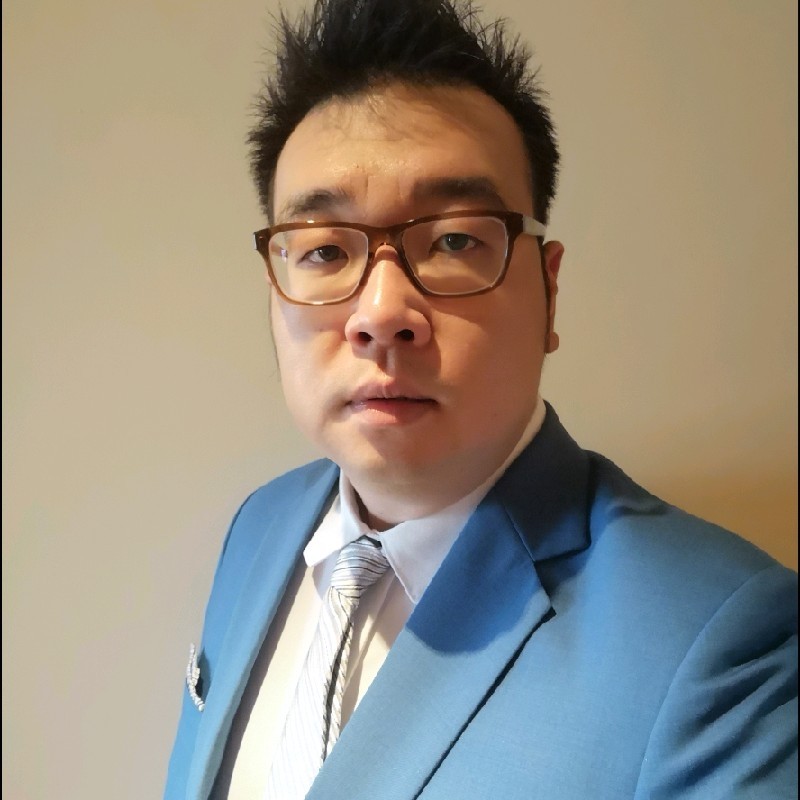
Jeremy Lee is a seasoned digital marketing director and strategist with over two decades of experience in the industry. As the founder of Sotavento Medios, I manage a diverse portfolio of over 50 businesses, helping brands grow through advanced search strategies and digital innovation. My work focuses on bridging the gap between traditional search engine optimisation and the evolving world of AI-driven answer engines.
get in touch