
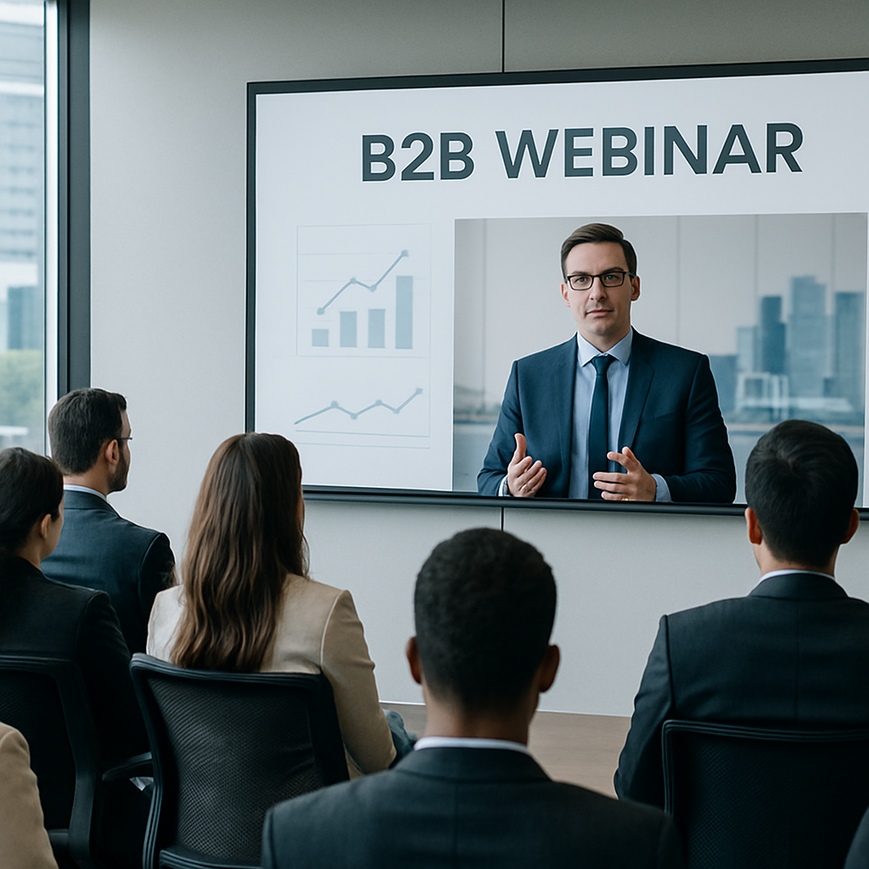
Webinars remain one of the most practical ways for Singapore businesses to educate prospects, demonstrate expertise, and capture qualified leads without requiring face-to-face attendance. This is especially relevant in Singapore, where busy professionals often prefer flexible, efficient ways to evaluate services before committing to a sales conversation. Whether you are running a B2B webinar for decision-makers, a professional education session, or a product demo, the real challenge is not simply attracting registrations. The real challenge is turning attendance into meaningful lead generation, then guiding those leads into a sales process that respects their time and expectations.
A strong webinar strategy begins long before the live session starts. It depends on message clarity, audience relevance, technical reliability, and a well-designed follow-up process. In Singapore, where audiences are generally accustomed to polished business communication and high service standards, a poorly structured webinar can quickly lose credibility. On the other hand, a carefully planned webinar can build trust, create useful engagement, and identify high-intent prospects more effectively than many traditional lead magnets.
Lead generation from webinars is not about collecting as many names as possible. It is about attracting the right audience, making the content valuable enough to earn attention, and using the webinar format to qualify interest. When done well, a webinar gives prospects a clear reason to share their contact details, stay engaged during the session, and take the next step after the event. The sections below outline how to optimise each stage of the webinar funnel so your event supports stronger, more reliable lead generation outcomes.
Start with a webinar topic that matches buyer intent
The most effective webinar topics sit at the intersection of audience pain points and business relevance. If your topic is too broad, you may attract curious attendees who have little intention of buying. If it is too narrow, you may limit reach unnecessarily. For lead generation, the topic should solve a specific problem, answer a practical question, or help the audience make a decision.
In Singapore, where professionals often balance work across regional time zones and demanding schedules, the topic should be immediately useful. A webinar titled around a concrete outcome, such as improving internal processes, reducing operational risk, or understanding compliance requirements, is usually more effective than a generic brand-led presentation. People are far more likely to register when they can see a clear benefit to their work or organisation.
Align the topic with the sales journey
A webinar should map to the stage of the buyer journey you want to influence. Early-stage audiences need education and problem framing. Mid-stage audiences need comparisons, frameworks, and implementation guidance. Late-stage audiences need clarity about how a solution works in practice. When your webinar content matches the buyer’s stage, your leads are more likely to be relevant and sales-ready.
For example, a company offering hybrid event production services in Singapore could run a webinar on common mistakes that affect virtual audience engagement, rather than leading with a direct sales pitch. That approach educates the market while also positioning the company as a knowledgeable provider. It also creates a natural bridge into a follow-up conversation.
Use language that reflects local business expectations
Singapore audiences generally value clarity, professionalism, and efficiency. Webinar titles and descriptions should be specific, concise, and free from exaggerated claims. Avoid vague wording such as “ultimate secrets” or “game-changing tips” unless the session truly delivers substantial, practical value. Clear messaging helps set the right expectations and improves the quality of registrations.
If your webinar is relevant to a regulated or technical industry, use terminology carefully. Explain acronyms the first time they appear, and ensure that any claims about process, performance, or outcomes are supportable. This is particularly important when addressing topics that may affect compliance, privacy, finance, health, or workplace safety.
Design the registration experience to qualify leads early
The registration page is one of the most important conversion points in the webinar funnel. A strong registration page does not just ask for an email address. It should help qualify who the attendee is, what they need, and whether the webinar is likely to be useful for them. The goal is to strike a balance between collecting enough information and keeping the form simple enough that people will complete it.
In general, ask only for the information that supports your lead qualification and follow-up process. Common fields may include name, email address, company name, job title, and one or two qualifying questions. If the webinar is aimed at business buyers, asking about their role or current challenge can help segment leads later. For a consumer-facing or educational webinar, fewer fields may be better if the priority is attendance volume.
Write a registration page that explains the value clearly
The page should answer three questions quickly. What will attendees learn, why does it matter, and who is it for? Use short paragraphs and benefit-focused bullet points to make the message easy to scan. Singapore professionals often review content quickly, especially on mobile devices, so the page should be concise and direct.
It also helps to state what attendees can expect in practical terms. For example, instead of saying the session will “cover webinar strategy,” say it will show how to structure a session, improve engagement, and create a follow-up workflow for sales leads. Specificity improves trust and helps filter out people who are not truly interested.
Use segmentation to support better follow-up
Segmentation means grouping leads by shared characteristics or interests so you can respond more appropriately after the webinar. This can be based on industry, role, problem area, attendance behaviour, or stated interest. Good segmentation improves lead quality because not every registrant should receive the same message.
For Singapore businesses with both local and regional audiences, segmentation can also be useful for timing and messaging. Someone attending from a local SME may have different needs from a regional decision-maker evaluating a multi-market rollout. When follow-up content reflects those differences, engagement tends to improve.
Build a webinar that keeps attention and demonstrates authority
Attendance alone does not generate leads. People need to stay engaged long enough to understand your expertise and recognise the relevance of what you are offering. That means the session structure matters as much as the topic itself. A webinar that is too long, too sales-heavy, or too disorganised will reduce trust and lower conversion potential.
For most business audiences, the strongest webinars combine a clear opening, a structured educational core, and a measured transition into the next step. The content should feel useful even before any sales discussion begins. When the webinar genuinely helps people solve a problem or avoid mistakes, it creates a stronger basis for lead nurturing.
Open with credibility and context
The first few minutes set the tone. Introduce the speaker or speakers clearly, explain why the topic matters, and outline what attendees will learn. This does not mean spending too long on credentials, but the audience should quickly understand why the presenter is qualified to speak on the subject.
If the webinar includes a panel or multiple presenters, define each person’s role so the session feels organised. In Singapore, where audiences tend to respond well to polished corporate presentations, a clear opening also signals professionalism and preparation.
Keep the content structured and actionable
People are more likely to stay engaged when the webinar is broken into logical sections. Use a framework that is easy to follow, such as problem, impact, solution, implementation, and next steps. Within each section, include practical examples, common pitfalls, and clear takeaways. Concrete examples are often more persuasive than abstract theory because they help the audience imagine how the advice applies to their own situation.
For B2B lead generation, it is often useful to include a comparison of different approaches, a checklist, or a workflow that attendees can use immediately. This improves perceived value and gives people a reason to stay until the end. It also makes the webinar more likely to be shared internally, which can expand its reach within a target organisation.
Use interaction carefully to improve engagement
Polls, Q&A segments, and chat prompts can improve participation, but they should feel purposeful rather than gimmicky. The best interactions are those that help the presenter understand audience needs or reinforce key points. A well-placed poll can also support lead qualification by revealing priorities, challenges, or intended timelines.
Do not overload the session with too many engagement tactics. Too many interruptions can break the flow and frustrate attendees. The objective is to create a useful, coherent experience that feels responsive, not chaotic.
Use the right technology and production standards to protect trust
Technical quality directly affects how your brand is perceived. In a webinar, video and audio issues can reduce credibility very quickly, especially among professional audiences. Stable streaming, clean audio, good lighting, and a well-managed interface all contribute to the sense that your business is organised and reliable.
This is an important point for Singapore-based audiences, where expectations for digital service quality are often high. Even a strong message can lose impact if the presentation feels amateurish. Reliable production does not need to be extravagant, but it should be consistent and professionally managed.
Prioritise audio quality and stable connectivity
Participants are generally more forgiving of modest visual quality than of poor audio. Clear speech is essential because attendees need to understand the content without strain. Use a proper microphone, test levels in advance, and make sure presenters know how to speak into the microphone consistently.
Connectivity should also be tested before the session, especially if speakers are joining from different locations. A backup connection plan is useful in case of disruption. For organisations running hybrid or remote sessions, a production partner can help manage switching, source quality, and the overall viewing experience.
Respect privacy and data handling expectations
Registration forms, attendee data, and webinar recordings should be managed carefully. In Singapore, organisations should be mindful of the Personal Data Protection Act, which governs how personal data is collected, used, and disclosed. Your registration page should clearly explain why the data is being collected and how it may be used for follow-up communication.
Good data governance supports trust. It also reduces friction when prospects decide whether to register. If people understand how their data will be handled, they are more likely to complete the form and remain comfortable engaging with your brand.
Turn attendance into leads through follow-up and nurturing
The webinar itself is only one part of the lead generation process. The follow-up sequence is where many businesses either convert interest into meetings or lose momentum entirely. A thoughtful follow-up strategy should reflect what the attendee did, what they asked, and how engaged they appeared during the session.
Different groups need different follow-up paths. Attendees who stayed until the end and asked specific questions may be ready for a sales conversation. Registrants who did not attend may need a recording and a concise recap. People who attended briefly may benefit from a short resource that keeps the conversation going without pressure.
Segment follow-up by behaviour
Behavioural segmentation helps you send more relevant messages. Someone who participated actively in the Q&A may be interested in a deeper discussion. Someone who watched quietly may prefer a practical guide or an invitation to a future session. Someone who registered but did not attend may need a different message entirely, possibly focused on the recording, key takeaways, and a simple call to action.
This approach is more effective than sending one generic email to everyone. It shows that you are paying attention to context, not just collecting contacts. In lead generation terms, that can improve both response quality and brand perception.
Offer a logical next step
After the webinar, make it easy for interested prospects to continue the conversation. The next step could be a consultation, a product walkthrough, a downloadable resource, or a follow-up session tailored to a specific problem. The offer should fit the level of interest shown during the webinar.
If the session was highly educational, a low-friction next step often works better than a hard sell. For example, you might offer a short discovery call or a checklist that helps the attendee apply what they learned. The aim is to continue building trust while identifying leads with genuine intent.
Measure the right outcomes
Lead generation from webinars should be measured beyond simple registration numbers. Useful indicators include attendance rate, average viewing time, question volume, poll participation, click-through to the next step, and the quality of follow-up conversations. These metrics help you understand which parts of the webinar are attracting attention and which are producing meaningful engagement.
Tracking performance over time also allows you to improve future sessions. You may find that certain topics draw stronger attendance, certain start times perform better, or certain calls to action generate more sales-qualified leads. Use that information to refine the format, messaging, and follow-up process.
For Singapore organisations, webinars work best when they are treated as part of a broader trust-building system rather than a one-off marketing tactic. When the topic is relevant, the registration process is clear, the presentation is professionally delivered, and the follow-up is timely and personalised, webinars can become a dependable source of qualified leads. The most effective programmes respect the audience’s time, communicate with clarity, and create a natural path from interest to conversation. If your next webinar is built around those principles, it will be much more likely to support genuine lead generation rather than just surface-level attendance.
General information only, not medical advice. If your webinar content relates to health, treatment, or patient care, it should be reviewed by a qualified professional and aligned with applicable regulatory requirements before publication.

Jeremy Lee is a seasoned digital marketing director and strategist with over two decades of experience in the industry. As the founder of Sotavento Medios, I manage a diverse portfolio of over 50 businesses, helping brands grow through advanced search strategies and digital innovation. My work focuses on bridging the gap between traditional search engine optimisation and the evolving world of AI-driven answer engines.
get in touch