
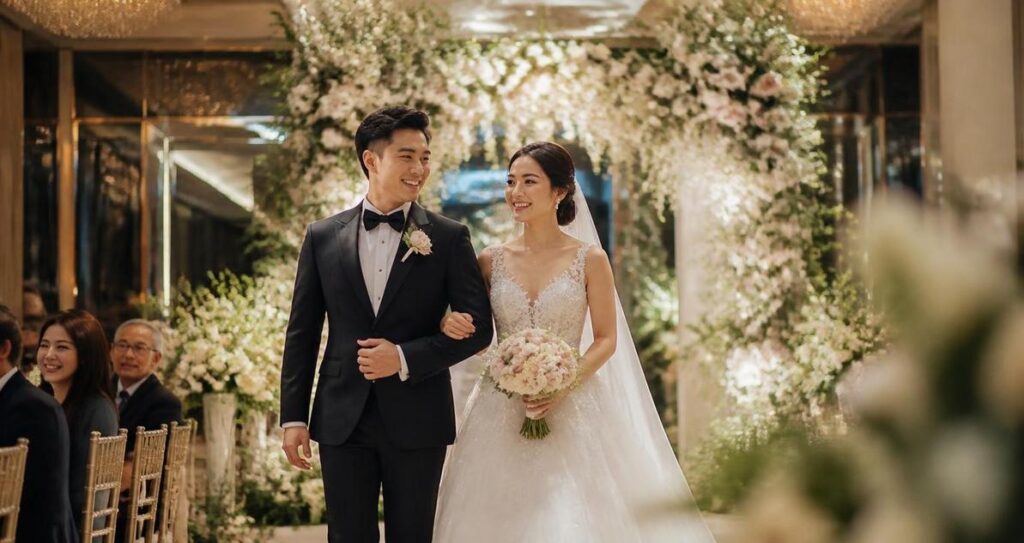
A cinematic wedding film does more than document an event. It shapes memory, atmosphere, and emotion into a visual story that feels polished, intentional, and deeply personal. For high-end weddings in Singapore, where couples often invest significant effort into venue selection, styling, cuisine, and guest experience, the expectation for video quality has also become more sophisticated. The question is no longer whether the day should be recorded, but how the film can reflect the tone of the celebration with elegance, accuracy, and lasting emotional value.
Creating a cinematic look starts long before the camera turns on. It depends on planning, lighting, composition, sound, pacing, and a clear understanding of the wedding schedule. In Singapore, this also means working around tropical weather, indoor ballroom lighting, heritage venues, hotel restrictions, and the practical realities of a fast-moving city. A wedding film that feels cinematic is not simply one with expensive equipment. It is one that uses technique and judgment to turn real moments into a coherent visual narrative, while still preserving authenticity.
For couples and planners, the key concern is usually how to achieve a luxurious result without making the day feel staged. That balance is possible when the production approach respects the wedding flow, the venue, and the people involved. The following sections explain the main creative and technical elements that shape a cinematic wedding film in the Singapore context, with practical guidance for couples planning an upscale celebration.
What gives a wedding film a cinematic feel
Cinematic style is not defined by a single camera effect. It comes from a combination of visual discipline, storytelling, and editing choices that create continuity and emotional rhythm. In professional film terms, this includes framing, shot selection, movement, colour treatment, sound design, and narrative structure. When these elements are used thoughtfully, the finished video feels more like a short film than a simple event record.
One of the first distinctions to understand is the difference between documentation and storytelling. Documentary coverage prioritises completeness and chronology. Cinematic coverage still preserves the key events, but it arranges them with stronger visual intent. For example, a close-up of the bride adjusting her veil, a wide shot of the ballroom before guests enter, and a quiet reaction from parents can together create a sequence that communicates anticipation and emotional depth.
In Singapore, many weddings take place in hotels, private clubs, restaurants, religious venues, or carefully designed private spaces. These environments are visually rich, but they also demand discipline. Reflective surfaces, mixed lighting temperatures, and crowded movement can easily make footage feel flat or chaotic. A cinematic approach manages these conditions by using consistent exposure, deliberate composition, and controlled camera movement so that the final film feels refined rather than busy.
Composition and visual hierarchy
Composition refers to how subjects and objects are arranged inside the frame. Strong composition helps the viewer know where to look and creates a sense of order. In wedding cinematography, this may mean placing the couple against architectural lines, using foreground elements such as floral arrangements to add depth, or framing emotional moments through doorways, mirrors, or window light.
Visual hierarchy matters because weddings are naturally crowded with detail. The gown, rings, décor, family members, and venue all compete for attention. A cinematic film separates the essential from the incidental. It does not try to show everything equally. Instead, it guides the viewer through the story in a way that feels elegant and purposeful.
Movement with intention
Camera movement should support emotion, not distract from it. Smooth tracking shots, careful pans, and restrained handheld work can add energy when used properly. Overly aggressive movement can make a wedding film feel unstable, especially in formal settings such as a ballroom solemnisation or an elegant Chinese banquet. The most effective cinematic films often combine static shots with gentle motion, allowing the viewer to absorb the atmosphere before moving into the next moment.
In Singapore venues where guest traffic is high and space may be limited, controlled movement is especially important. Cinematic results often depend on planning where the videographer can stand, how to avoid interrupting proceedings, and how to anticipate key moments without obstructing family or service staff.
Lighting choices that shape a luxury wedding film
Lighting is one of the most important factors in achieving a cinematic aesthetic. It influences skin tones, mood, texture, and colour fidelity. High-end wedding films often look polished because the lighting is managed carefully, not because everything was filmed in bright light. In fact, soft, directional, and balanced light usually produces a more flattering and dimensional result than harsh illumination.
Singapore weddings often involve a mix of daylight, hotel interior lighting, decorative uplighting, and stage effects. This creates technical challenges because different light sources may have different colour temperatures. When the camera records these inconsistencies without adjustment, skin tones can look unnatural and the image can feel visually disjointed. A skilled production team evaluates the lighting environment in advance and adjusts camera settings, lens choice, and supplemental lighting where needed.
Using natural light effectively
Natural light is prized for a reason. It tends to produce soft shadows, gentle skin tones, and a timeless look. Morning preparations in a suite, portraits near a large window, or an outdoor solemnisation during softer daylight can all benefit from natural light. However, Singapore’s climate creates a reality that couples should plan for carefully. Bright midday sun can be harsh, and sudden weather changes can affect timing and mood.
To use natural light well, production planning should consider the sun’s direction, the venue layout, and backup indoor options. A cinematic film does not require perfect weather, but it does require thoughtful adaptation. Cloud cover, shaded architectural spaces, and transitional indoor-outdoor areas can all be used to create visually pleasing results.
Managing indoor ballroom lighting
Many high-end Singapore weddings take place in hotel ballrooms, where ambient light can vary widely. Ballrooms may include chandeliers, coloured decorative lighting, spotlighted stages, and dark corners that are difficult to expose evenly. A cinematic film handles these conditions by balancing available light with additional tools if necessary, while preserving the ambience of the venue rather than flattening it with excessive brightness.
The goal is to keep the venue looking luxurious and true to life. Over-lighting can remove the atmosphere that couples paid to create, while under-lighting can make important scenes feel muddy or unclear. The best balance usually comes from careful testing before key events begin.
Storytelling through sound, pacing, and editing
Many people focus on image quality first, but sound and editing are equally important in creating a cinematic result. A wedding film feels emotionally complete when the audio and visual rhythm work together. This includes clean vows, clear speeches, ambient room tone, meaningful natural sound, and music that supports the pace of the edit without overpowering real moments.
Editing is where the story becomes coherent. A cinematic wedding film does not simply present events in chronological order from beginning to end. It may open with a strong emotional moment, move through preparations, then return to key highlights in a more refined sequence. This structure gives the film shape and emotional momentum, while still keeping the essential events intact.
Why audio quality matters
Audio can make or break a wedding film. A beautifully shot sequence loses impact if the vows are muffled or the speeches are distorted. This is especially relevant in Singapore weddings, where ceremonies may take place in echo-prone banquet spaces, larger religious venues, or lively reception settings. Professional audio capture often involves direct sound sources, backup recording, and attention to room acoustics.
For couples, it is useful to ask whether the production team plans for redundant audio capture. This is a standard professional practice, because live events are unpredictable. Clear audio preserves authenticity and allows the final film to include the actual voices and emotions of the day, not just background music.
Editing rhythm and emotional flow
Cinematic editing depends on pacing. Fast cuts can create excitement, while longer holds can create intimacy or grandeur. The right rhythm depends on the moment. A gown reveal may benefit from slower pacing, while the entrance of the couple or a lively tea ceremony may feel more dynamic with quicker cuts. A strong editor understands when to let a moment breathe and when to move the story forward.
The editing style should also respect the cultural structure of the wedding. Singapore weddings often blend multiple traditions, including solemnisation, tea ceremony, church or temple rituals, and banquet receptions. A well-edited film recognises these transitions and keeps the story coherent, rather than treating each part as an isolated segment.
Venue, schedule, and cultural context in Singapore
Singapore offers a wide range of wedding settings, from five-star hotels and heritage properties to rooftop venues and private estates. Each location presents unique visual opportunities and technical constraints. A cinematic wedding film benefits from advance planning that accounts for the venue’s architecture, lighting conditions, restrictions, and guest flow.
Time management matters as much as visual style. Wedding days in Singapore are often tightly scheduled, especially when multiple ceremonies are included. This creates pressure on photography and videography teams to work efficiently without compromising quality. A cinematic result is easier to achieve when the schedule includes realistic buffer time for portraits, room setup shots, and transitions between events.
Working with hotel and heritage venues
Luxury hotels often provide polished interiors, elegant lighting, and predictable event support. These are excellent conditions for cinematic filming, but they may also come with limitations on movement, equipment placement, or access before the event. Heritage venues can offer more character, texture, and architectural depth, but they may have tighter spatial constraints or preservation rules that affect production choices.
In either setting, communication matters. The production team should understand venue rules, liaise with planners where appropriate, and identify the best time to capture establishing shots, details, and couple portraits. This helps maintain the cinematic look without disrupting the schedule.
Respecting ceremony traditions
Singapore weddings frequently reflect multicultural and multi-faith traditions. Whether the event includes a tea ceremony, solemnisation, church service, nikah, or other culturally specific elements, the film should present these moments with respect and clarity. Cinematic style should never override the significance of the ritual itself.
This means capturing gestures, expressions, and symbolic details accurately. It also means avoiding intrusive framing during solemn moments. When the videographer understands the cultural flow of the event, the result feels more refined and more truthful.
Practical planning tips for couples seeking a premium result
High-end wedding films are usually the product of careful coordination, not last-minute improvisation. Couples who want a cinematic look should begin by discussing visual preferences, key moments, and logistical expectations early in the planning process. It is helpful to share venue details, wedding timings, outfit changes, and any cultural or family requirements that affect the filming schedule.
Another useful step is to align expectations about style. Some couples prefer a romantic and soft visual tone, while others want a dramatic and polished corporate-luxury feel. There is no single correct approach, but the style should suit the couple’s personality and the event’s overall design. A wedding film feels more authentic when it reflects the real atmosphere of the celebration rather than copying a generic trend.
Questions worth asking before booking
- How does the team handle low-light venues and mixed lighting conditions?
- What is the approach to audio capture for vows and speeches?
- How much time is needed for portraits and cinematic scene setting?
- Will the final edit include full ceremony coverage, highlight edits, or both?
- How does the team adapt to Singapore weather and venue restrictions?
These questions help couples assess whether the production team understands both the creative and logistical realities of a Singapore wedding. A strong provider should be able to explain the workflow clearly and show how the visual approach fits the day’s structure.
For couples managing family expectations, a professional production plan also helps reduce stress. Clear timelines and defined responsibilities make it easier to keep the day flowing smoothly, which in turn leads to better footage. Calm coordination often shows on screen more than any special effect.
A cinematic look for a high-end Singaporean wedding is built on discipline, not excess. It comes from thoughtful composition, controlled lighting, clear sound, careful editing, and a respectful understanding of the event’s cultural and emotional meaning. When these elements work together, the wedding film becomes more than a record of the day. It becomes a refined visual memory that captures both the grandeur of the occasion and the intimacy of the people involved.
For Singapore couples planning an elegant celebration, the most reliable path to a polished result is early planning, realistic scheduling, and a production team that understands local venues and event flow. With the right preparation, it is entirely possible to create a film that feels luxurious, authentic, and timeless, while staying true to the spirit of the wedding itself.

Jeremy Lee is a seasoned digital marketing director and strategist with over two decades of experience in the industry. As the founder of Sotavento Medios, I manage a diverse portfolio of over 50 businesses, helping brands grow through advanced search strategies and digital innovation. My work focuses on bridging the gap between traditional search engine optimisation and the evolving world of AI-driven answer engines.
get in touch